Products
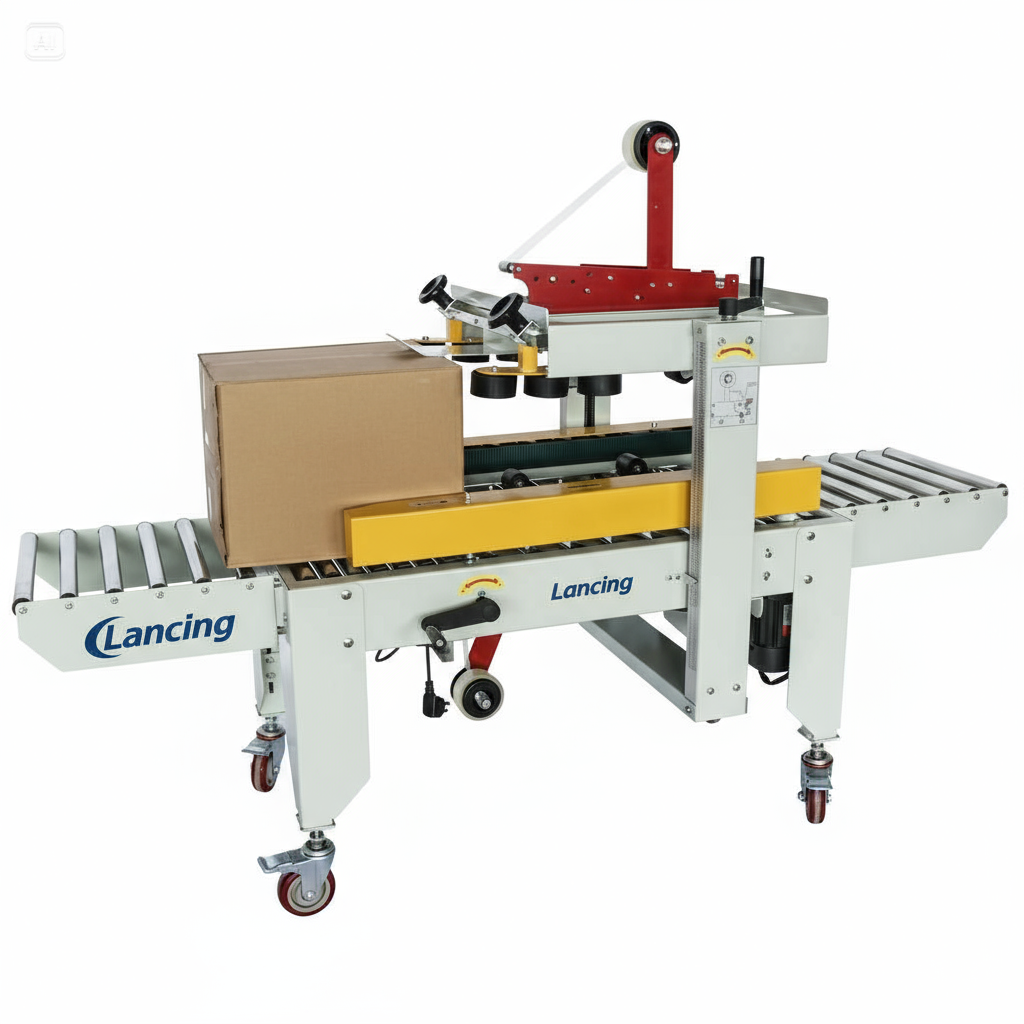
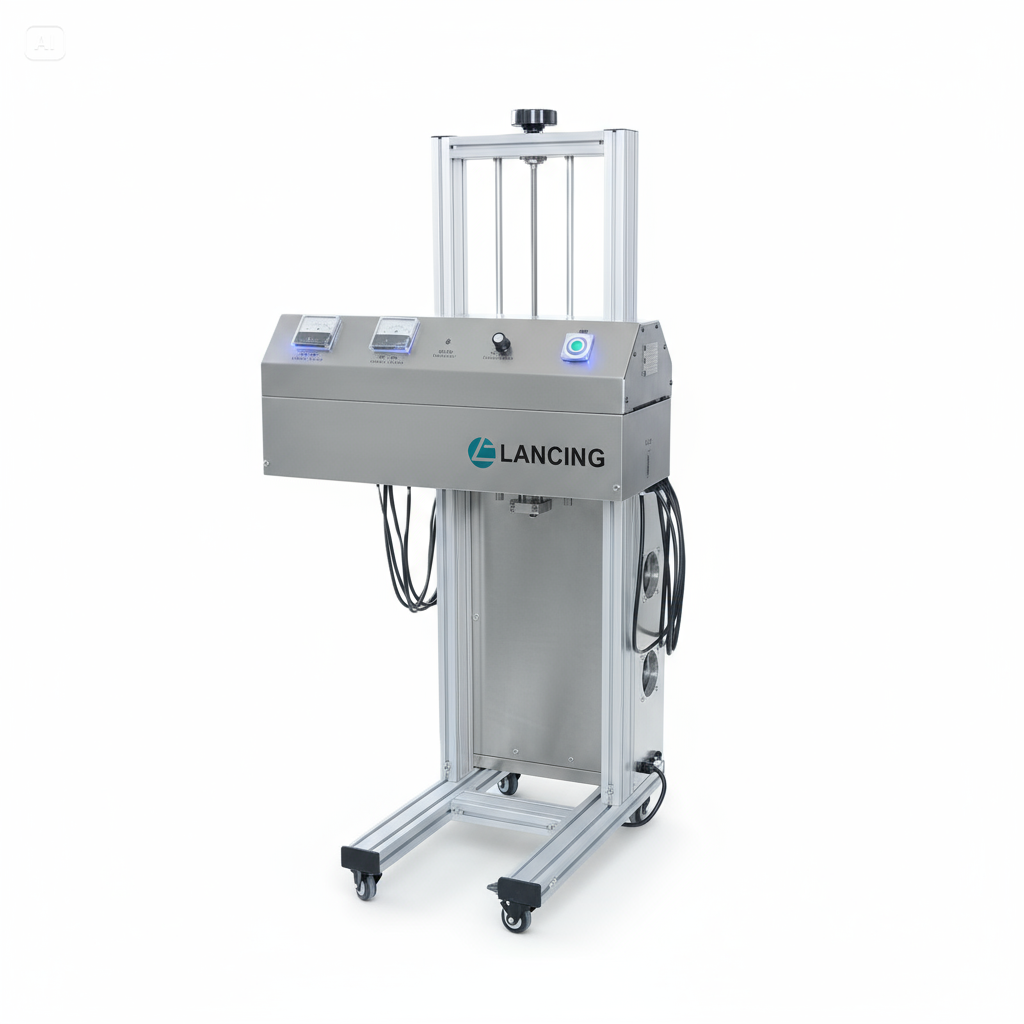
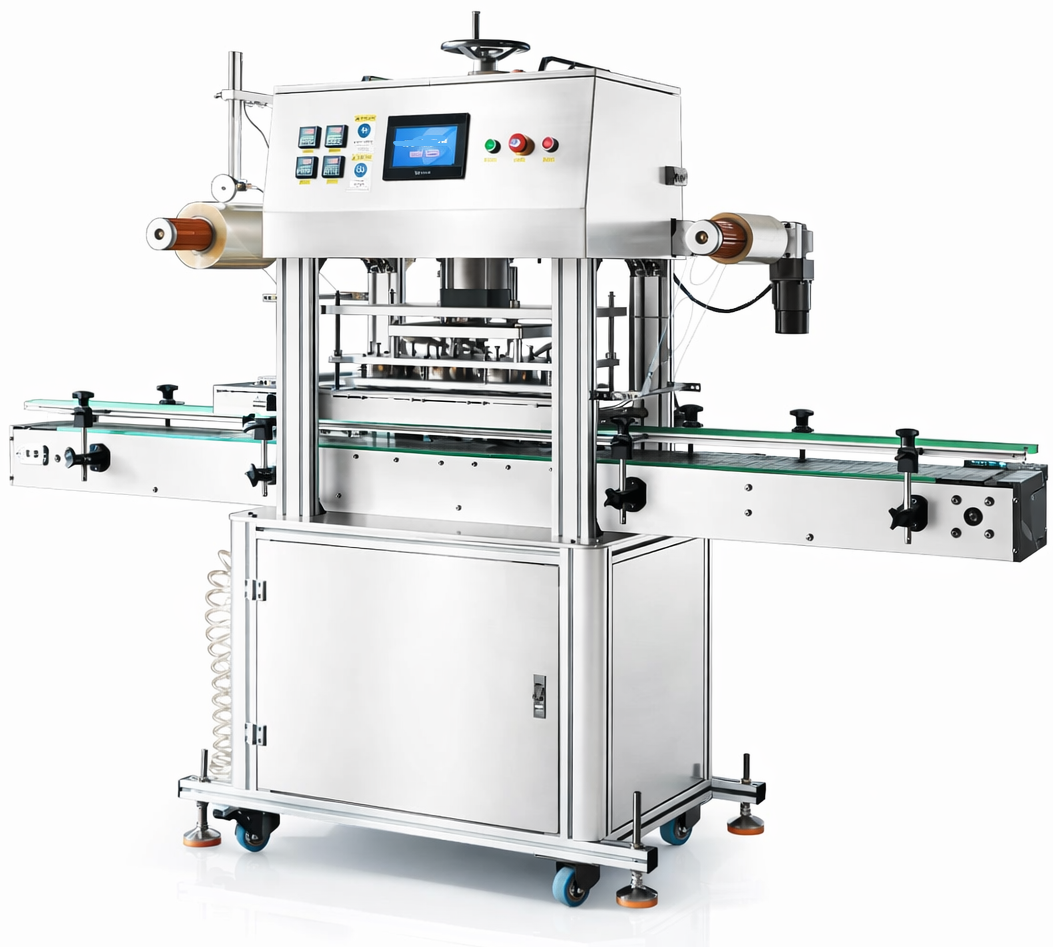
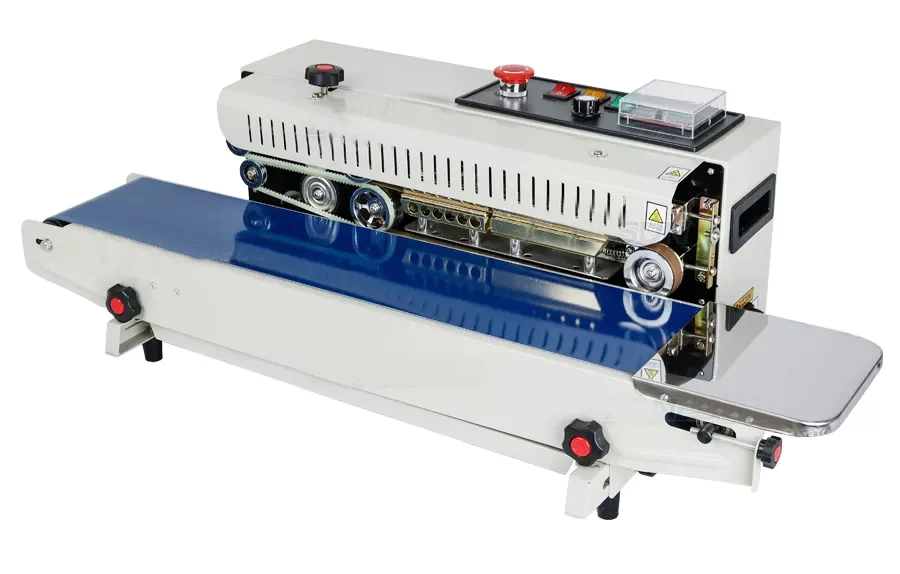
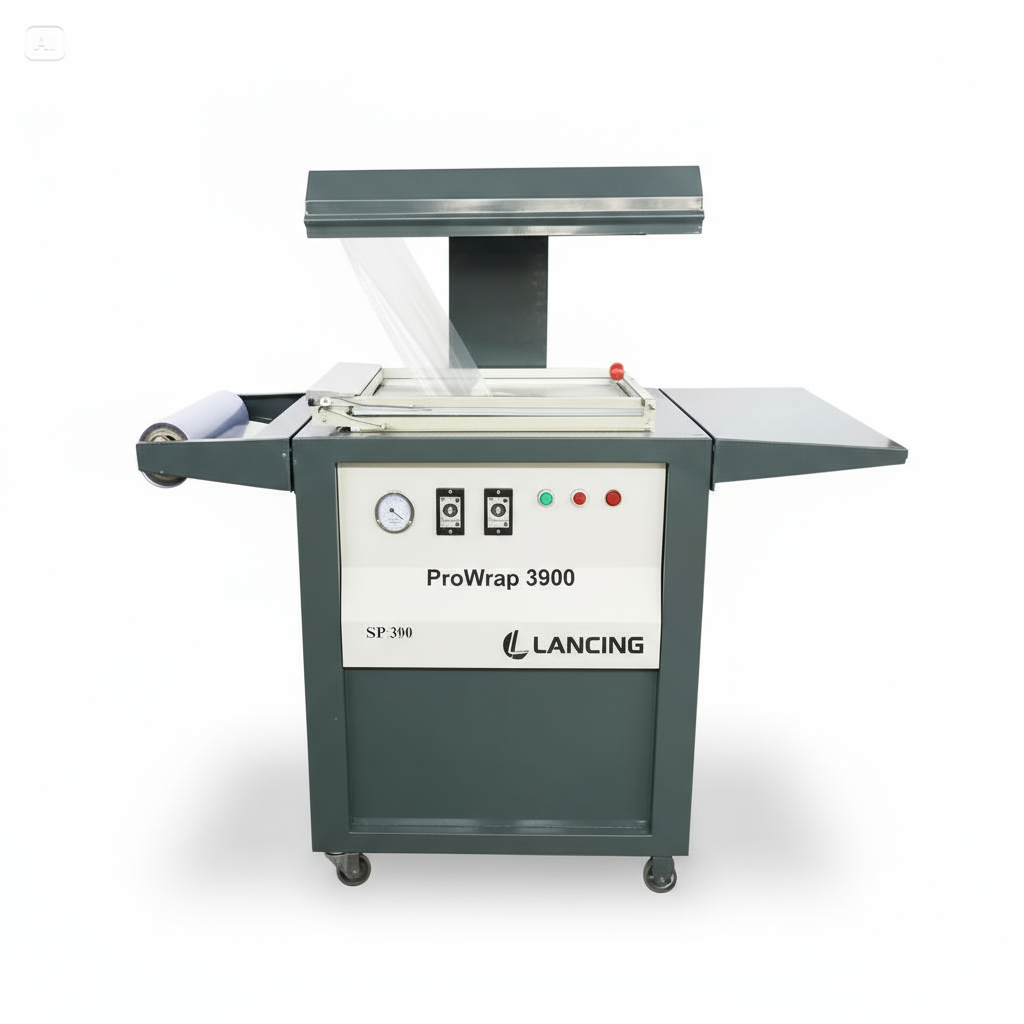
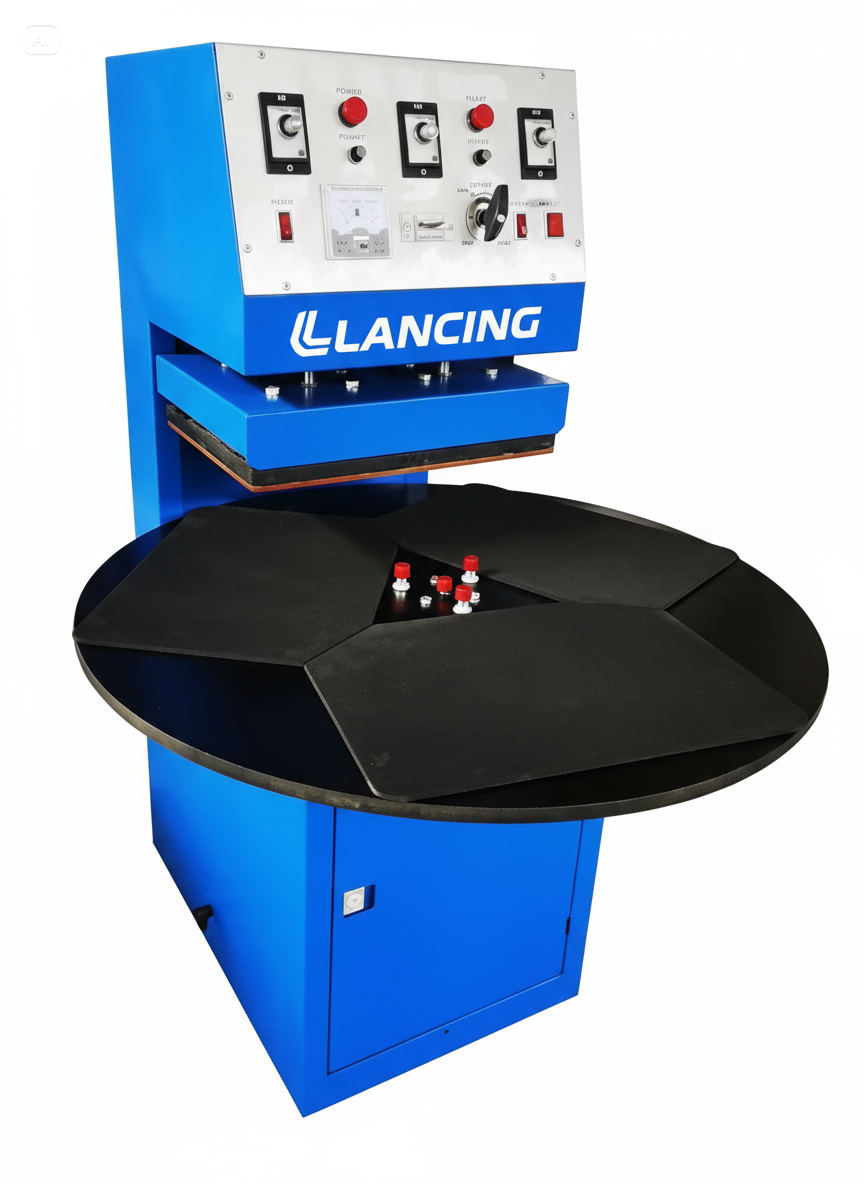
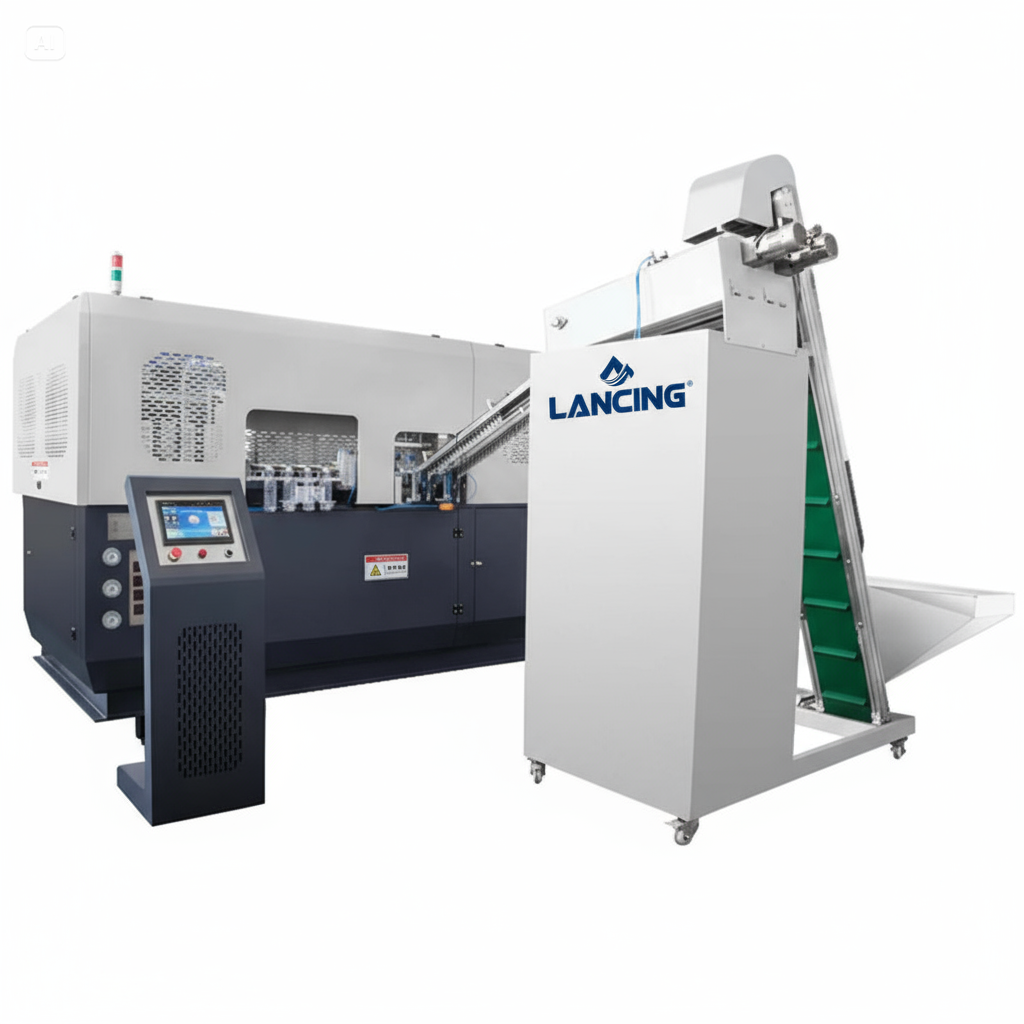
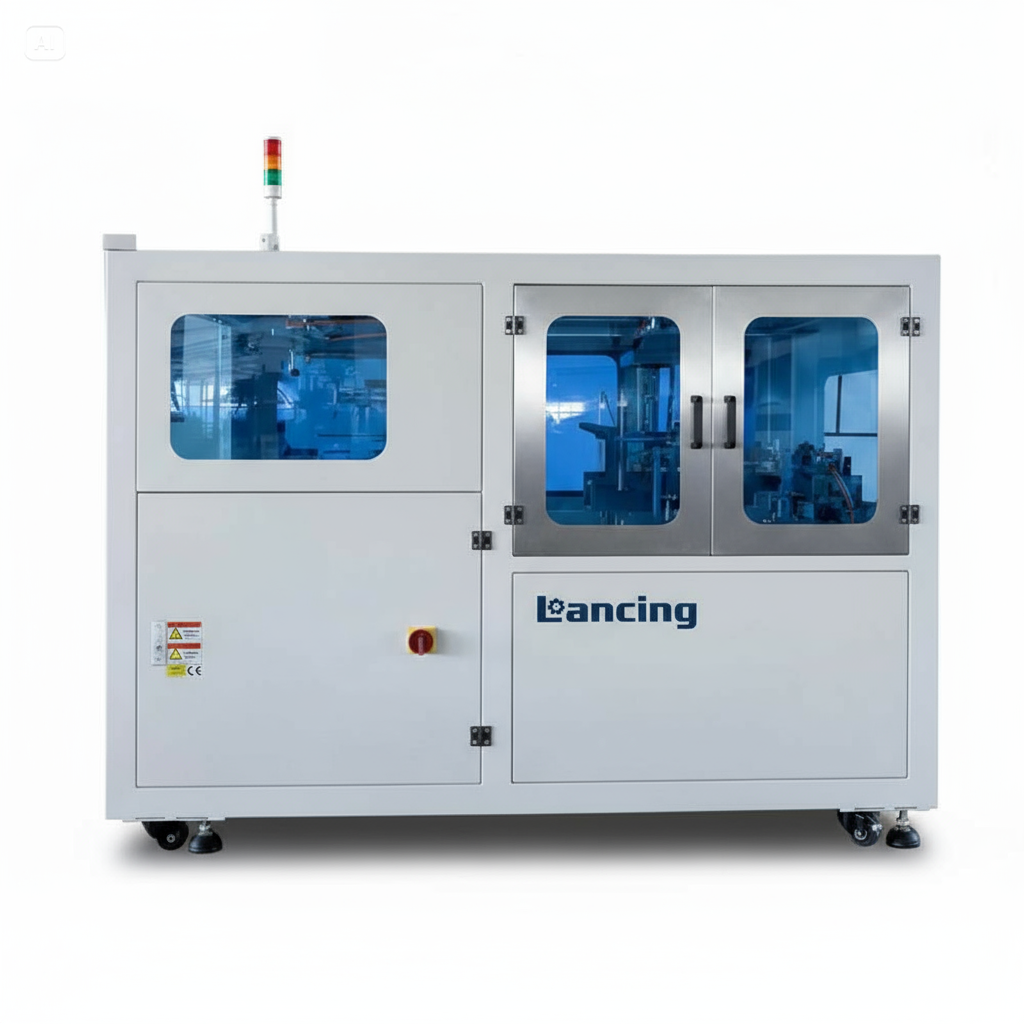
Sealing and packing equipment including case tapers, induction sealing, foil sealing, band sealers, skin and blister packing, blow moulding and cartonizing.
5 machines in this sub-category.
Sealing equipment needs to match material, seal type, output requirement and downstream handling.
From bag sealing and vacuum packaging to induction and integrated fill-and-seal systems, sealing machinery must create a consistent finish without compromising throughput or pack quality. Film structure, seal width, dwell time and cooling all affect the result.
This content expansion helps the category compete for broader sealing and integrated line searches by providing more context, stronger internal links and clearer buying intent signals.
Sealing equipment should be specified around material, seal integrity and the rest of the pack format rather than chosen as a late accessory.
Bag sealers, induction systems, foil sealing and integrated fill-and-seal equipment each solve different problems. The best choice depends on the pack material, whether the seal is tamper-evident or product-protective, how much operator intervention is acceptable and how the sealed pack will be handled, labelled or packed downstream.
For buyers comparing systems, the most useful questions are usually about seal consistency, changeover range, consumables, heat exposure, line speed and compatibility with existing fillers, cappers or conveyors. Those practical factors often decide long-term performance more than the generic machine type alone.
These related guides and service pages help move from category research to a specification-ready enquiry.
Use these linked pages to move from Sealing & Packing into a clearer application, solution, guide or support path before requesting a quotation.
These short answers help turn category browsing into a specification-ready enquiry.
Sealing & Packing is usually shortlisted when the pack, process stage and output requirement point toward this part of the line. Final suitability still depends on product behaviour, container stability, closure or label format and the wider line layout.
That depends on output, operator involvement, changeover frequency and site constraints. Smaller or flexible projects often stay with compact or semi-automatic routes, while higher throughput or lower labour input usually pushes the shortlist toward more automatic options.
Look at the wider line as well: product feed, infeed and outfeed handling, change parts, coding, utilities, access for cleaning and maintenance, and how the pack behaves between connected stages.
Send the product description, pack format or drawings, target output, available utilities, layout constraints, expected changeovers and any specialist requirements that could affect the line route.