Range hub

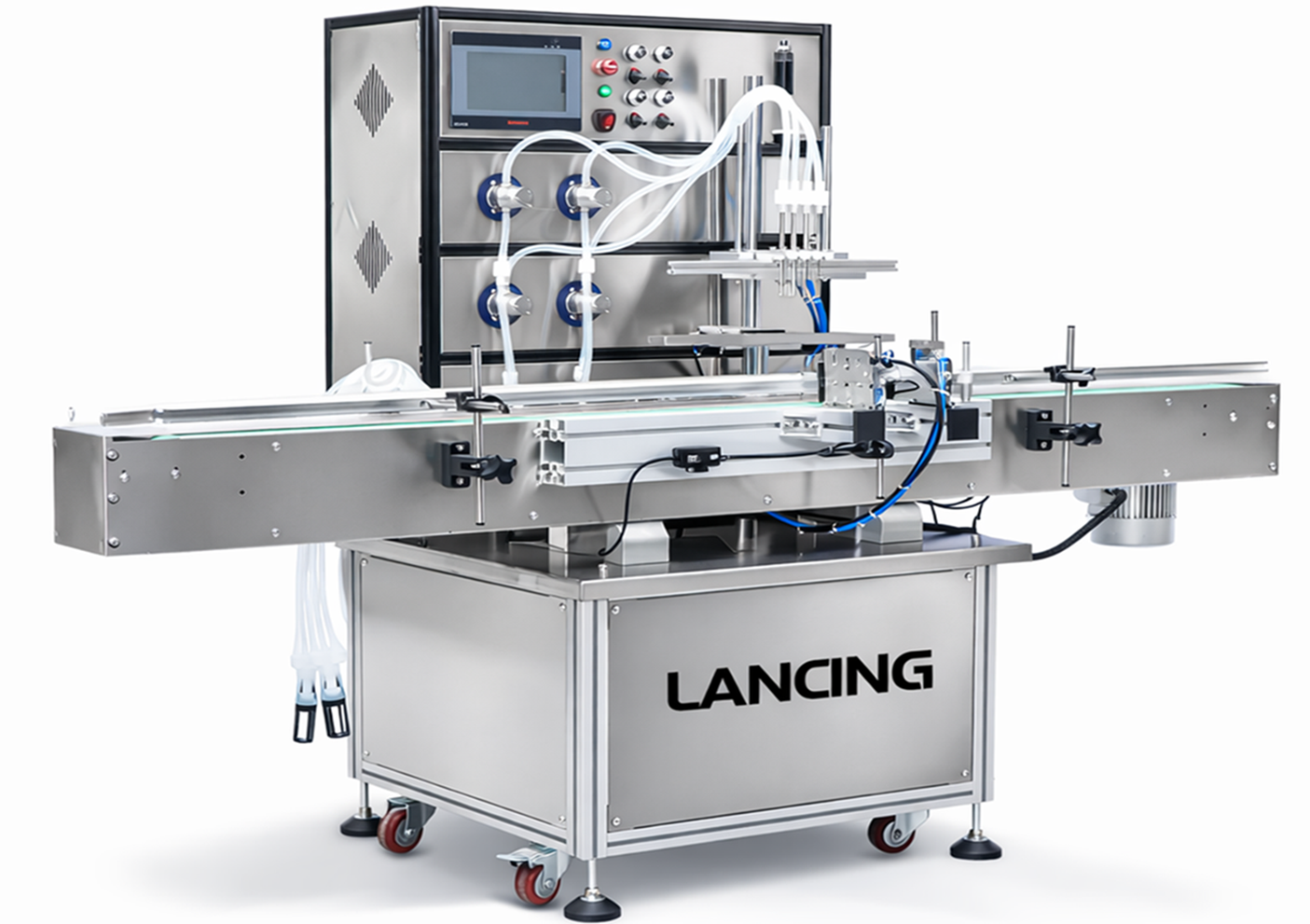
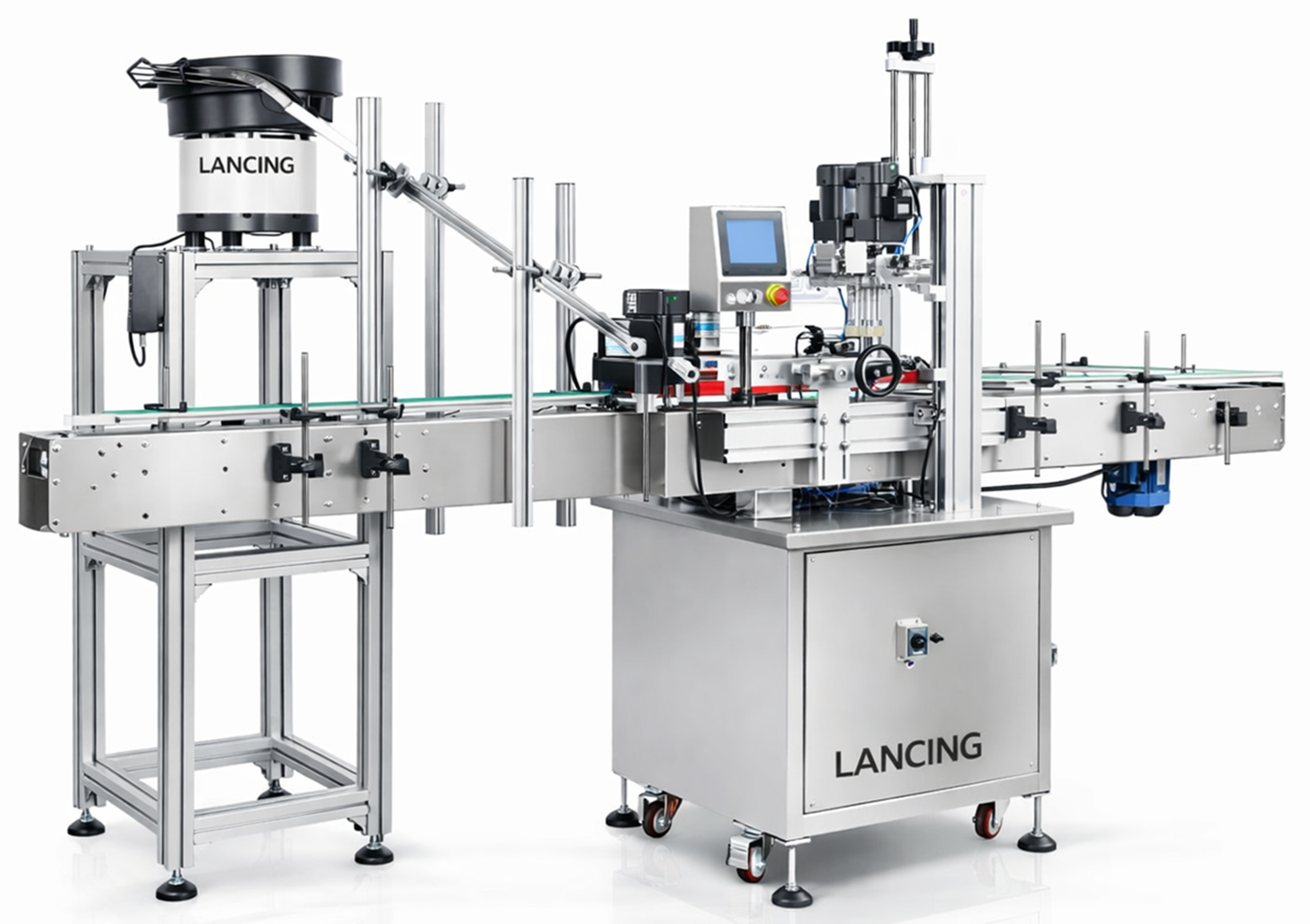
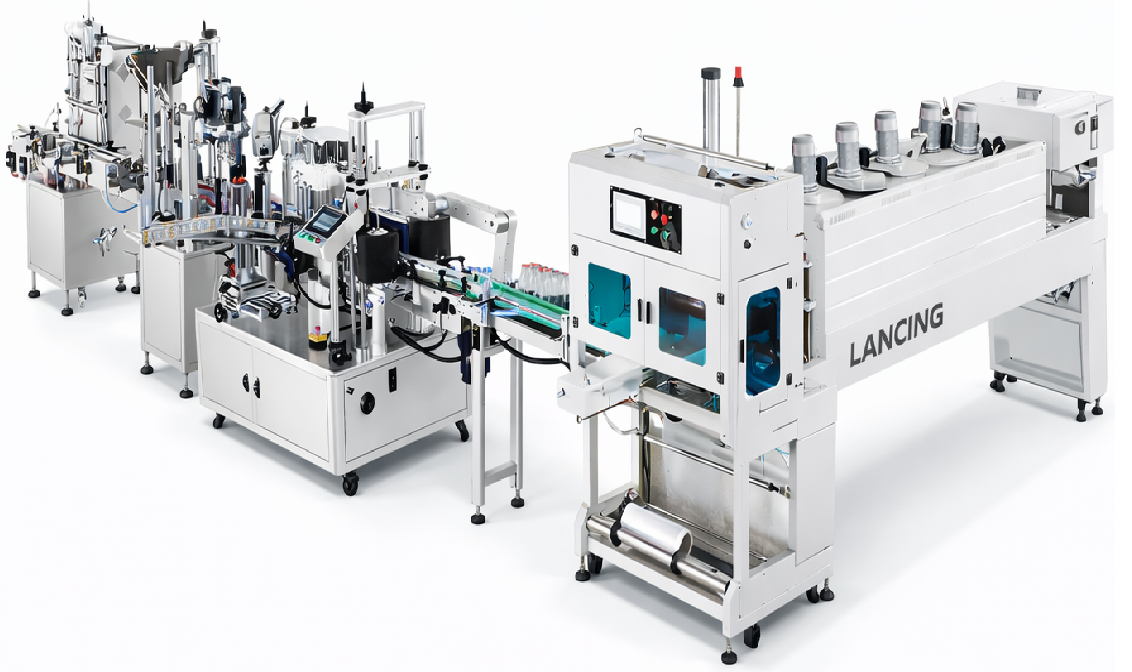
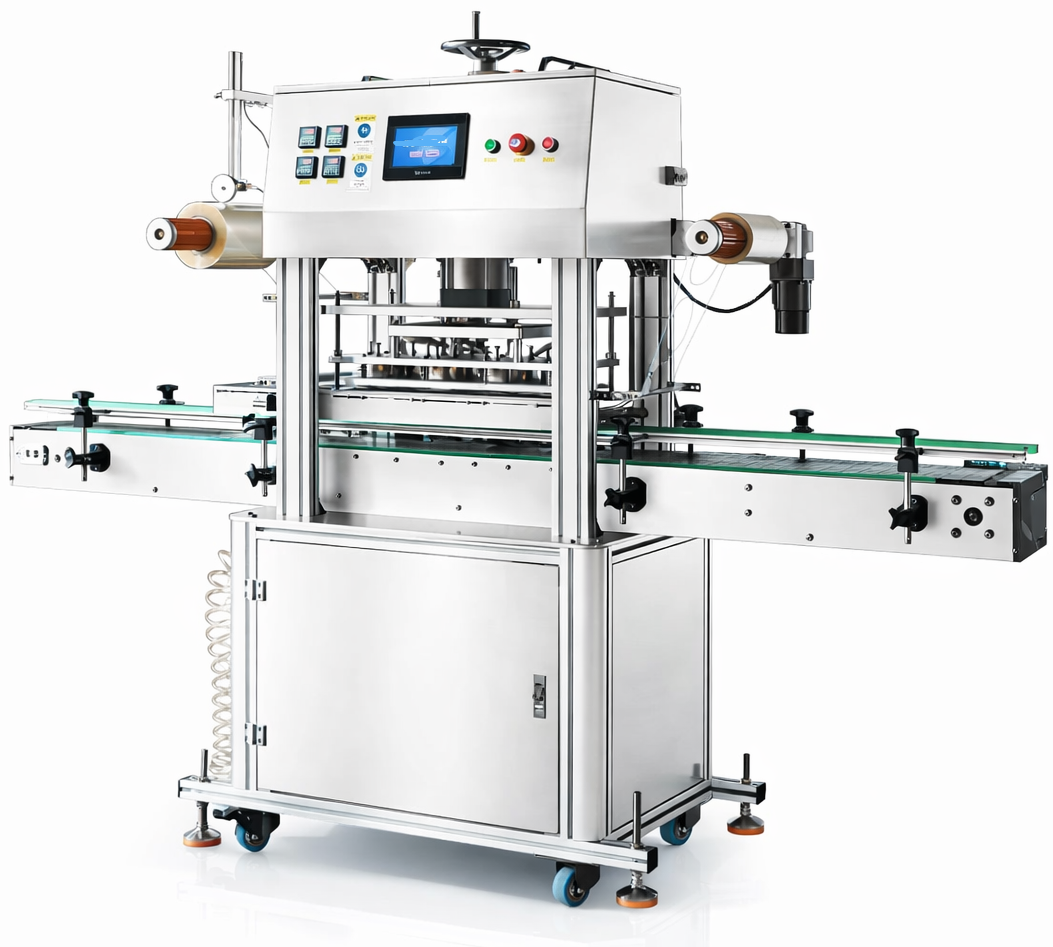
Compact range packaging machinery

Compact packaging machinery routes for sites that need space-efficient automation, smaller footprints and pragmatic system design without losing commercial usefulness.

What compact range usually means

Compact machinery is often attractive where the site wants to improve automation and consistency but has tight space, budget or layout constraints. It can give growing businesses a more practical route into automated packaging without immediately moving to the largest machine format.

The right compact solution still depends on the pack range, utilities, access, output and how much flexibility is needed across the week.

When this route is worth considering

This range is usually considered when floor space matters, the line is being added to an existing process or the business wants an automation step that remains practical to install and operate.

Compact does not simply mean smaller. The useful question is whether the equipment supports the required output and product mix while fitting the site's real constraints.

Product families often shortlisted in the compact range

Use these core category hubs as a starting point when comparing machinery within this automation band.

How to brief the project properly

A good brief covers layout limitations, access, services, pack sizes, growth expectations and the downstream equipment that the compact machine needs to work with.

That helps separate genuinely space-efficient solutions from machines that only look compact on paper.

Does compact always mean lower output?

Not necessarily. Compact machinery is more about footprint and practical system design than about a fixed output ceiling.

Should I discuss access and utilities early?

Yes. Compact projects often succeed or fail on how well they match the available space, services and installation route.

What makes a compact-machinery brief stronger?

Product and pack details, target output, space constraints, utilities, access and future growth plans.

Need help deciding whether the compact range fits?

Share the product, pack range, output and site constraints so the right automation level can be narrowed down more quickly.

Typical applications and next project steps

Use these linked pages to move from Compact range packaging machinery into a clearer application, solution, guide or support path before requesting a quotation.

Questions buyers often ask at this stage

These short answers help turn category browsing into a specification-ready enquiry.

What products or pack formats is Compact range packaging machinery usually shortlisted for?

Compact range packaging machinery is usually shortlisted when the pack, process stage and output requirement point toward this part of the line. Final suitability still depends on product behaviour, container stability, closure or label format and the wider line layout.

Should I compare semi-automatic or automatic compact range packaging machinery routes?

That depends on output, operator involvement, changeover frequency and site constraints. Smaller or flexible projects often stay with compact or semi-automatic routes, while higher throughput or lower labour input usually pushes the shortlist toward more automatic options.

What else should I plan around besides the compact range packaging machinery stage?

Look at the wider line as well: product feed, infeed and outfeed handling, change parts, coding, utilities, access for cleaning and maintenance, and how the pack behaves between connected stages.

What information should I send for a quotation?

Send the product description, pack format or drawings, target output, available utilities, layout constraints, expected changeovers and any specialist requirements that could affect the line route.