Products
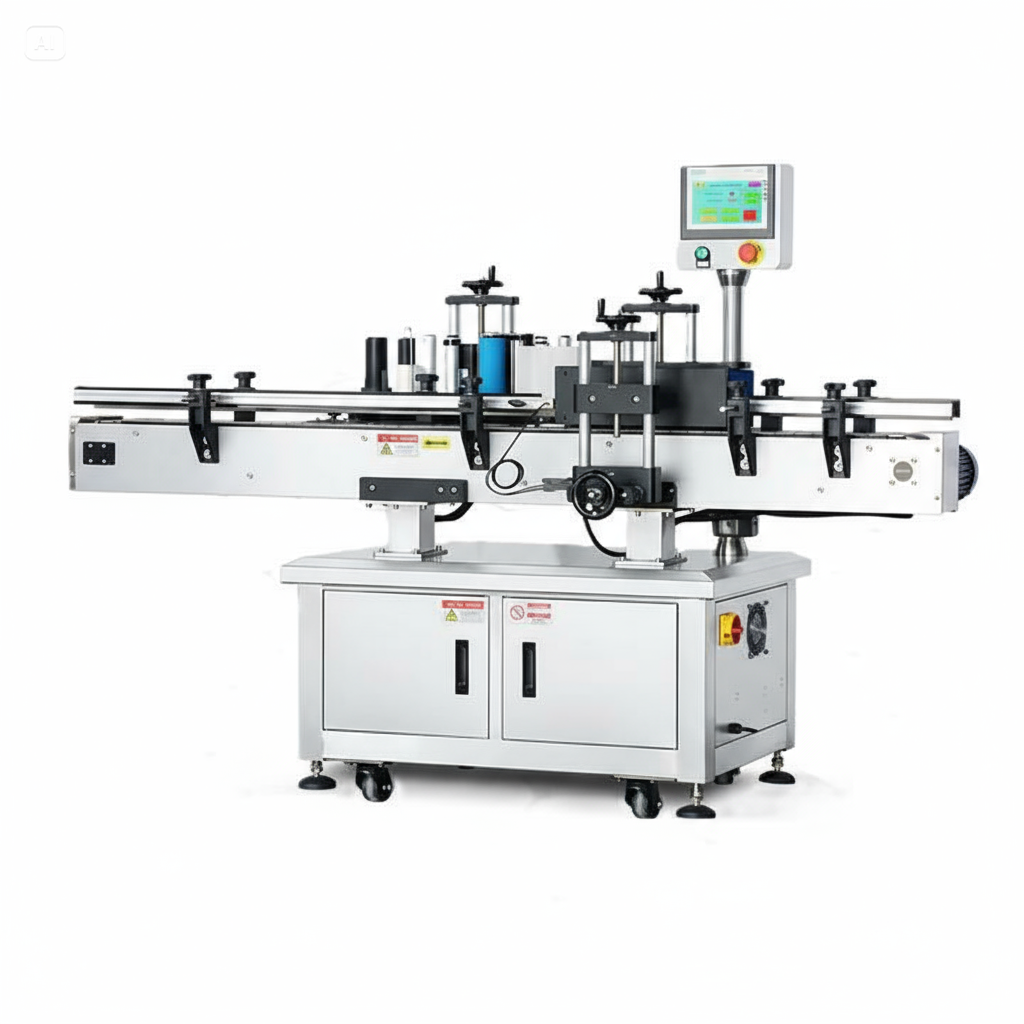
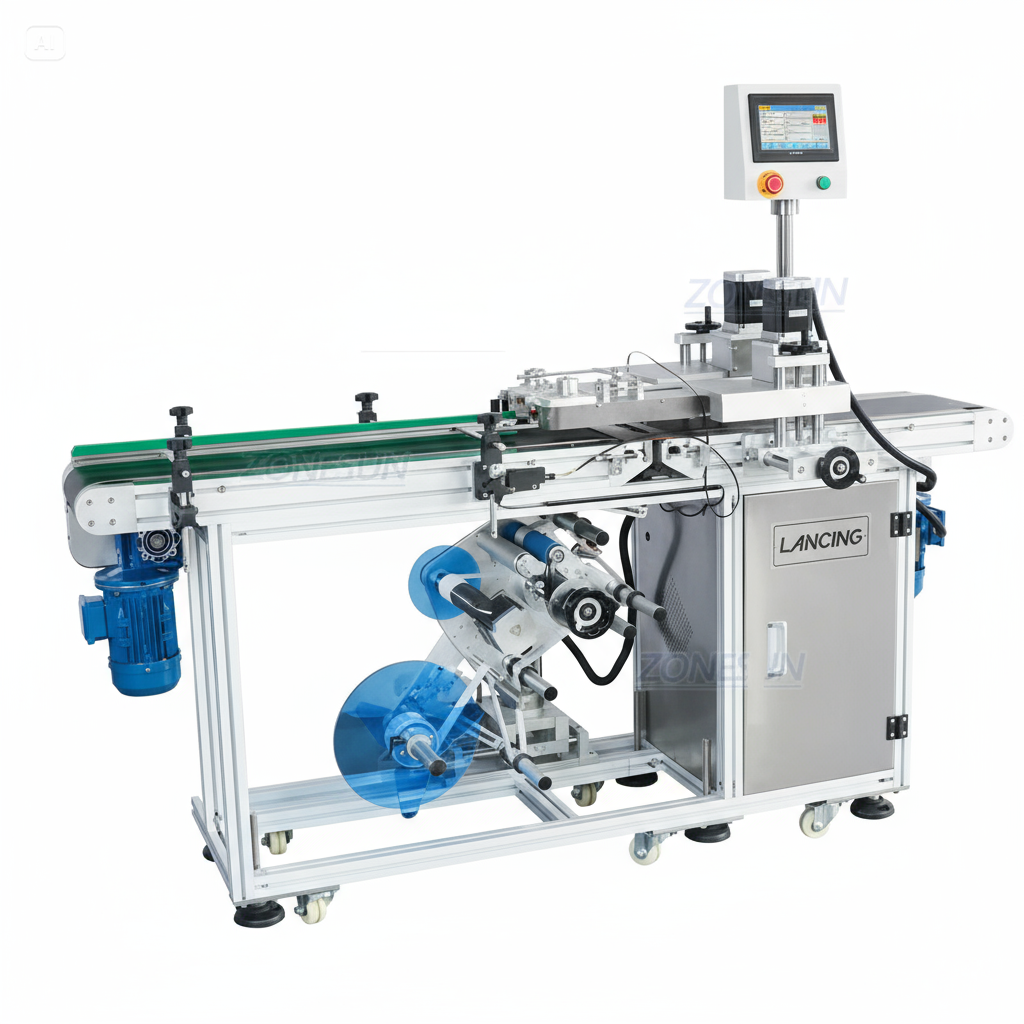
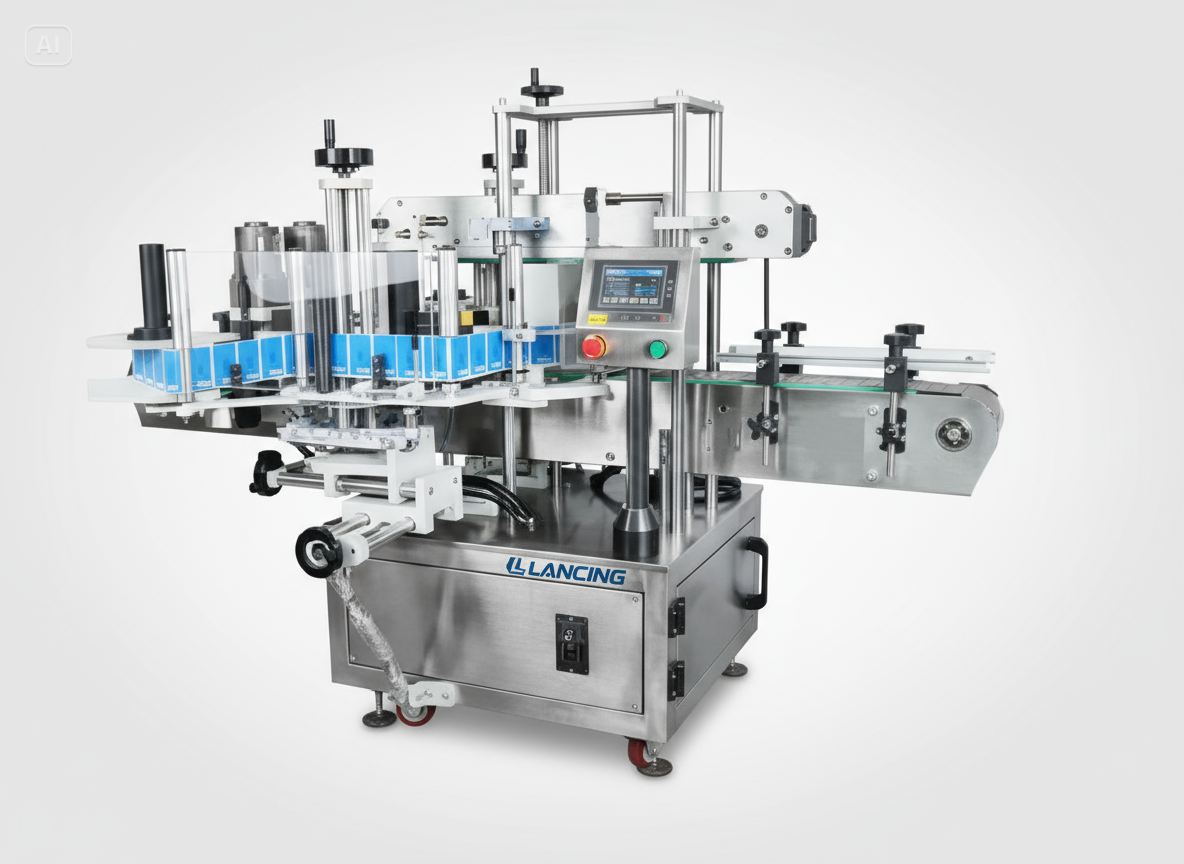
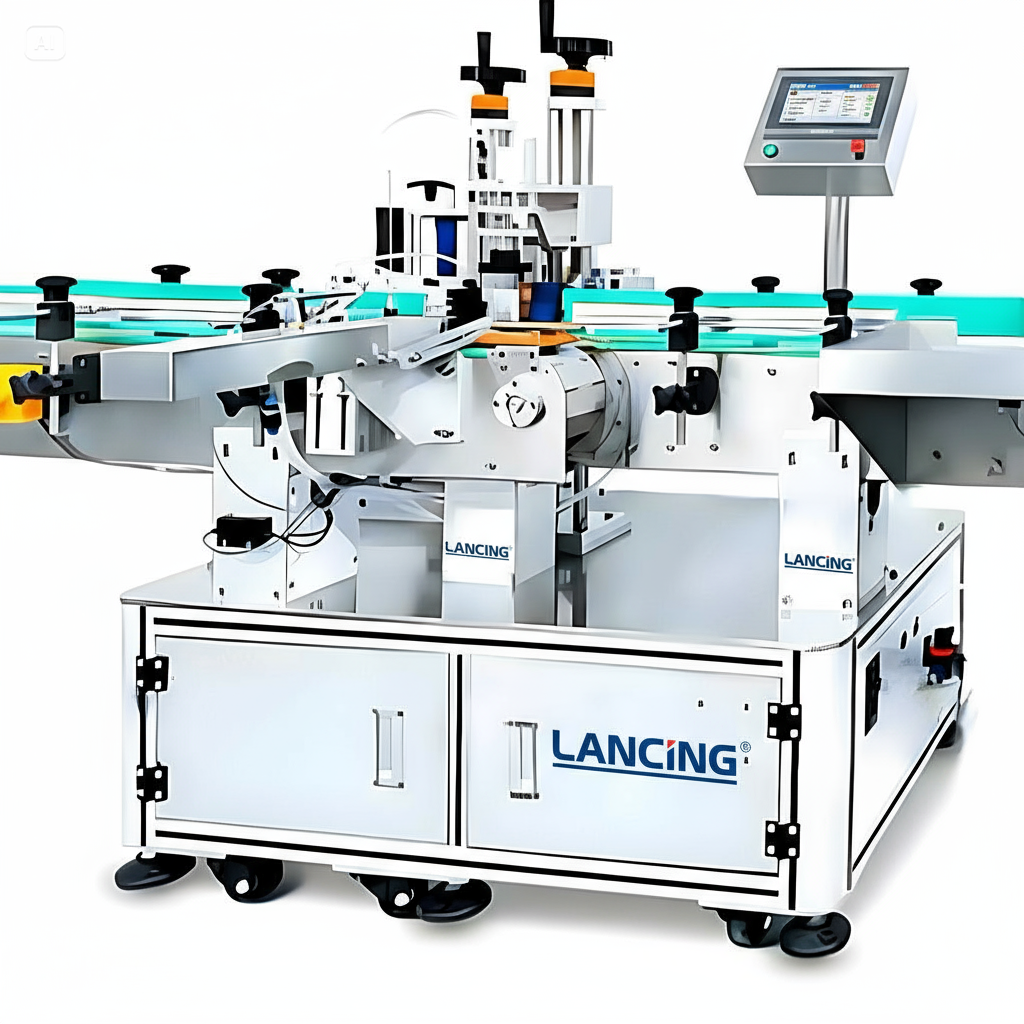
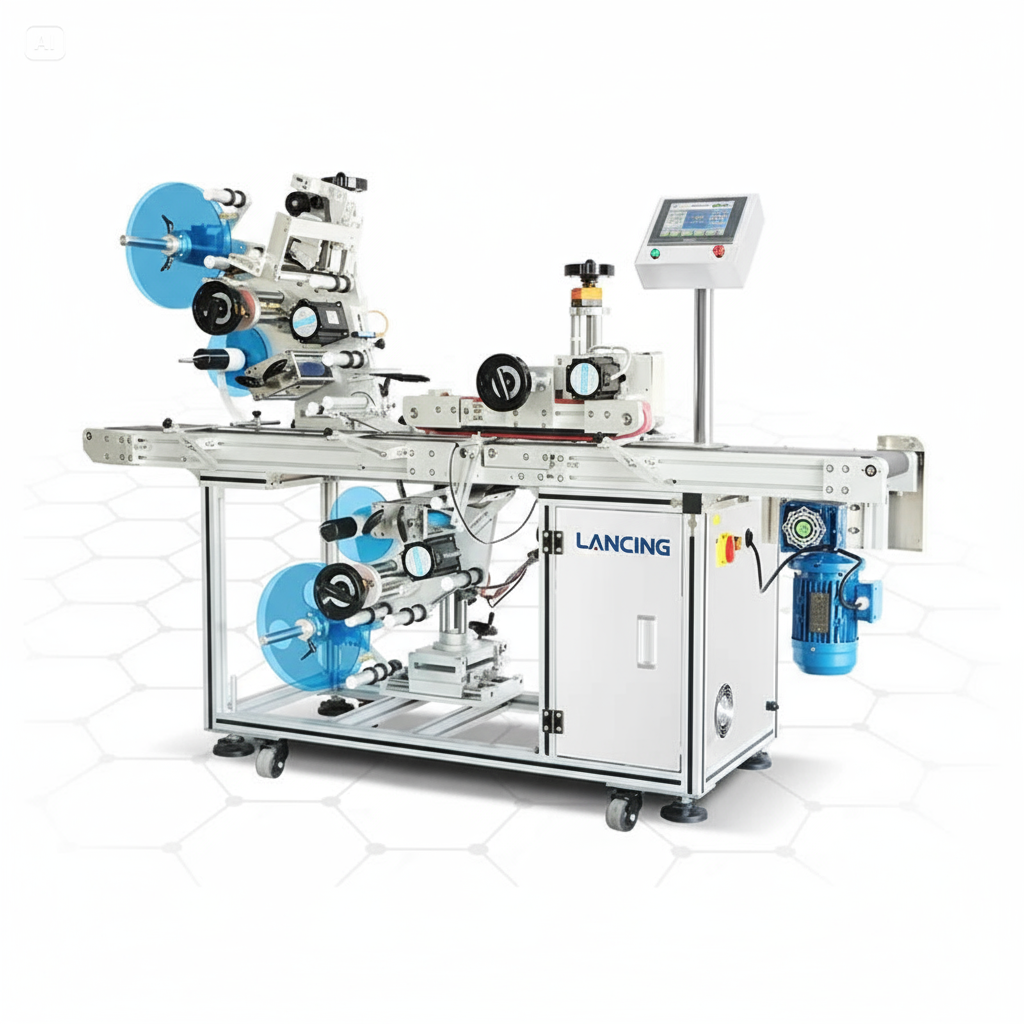
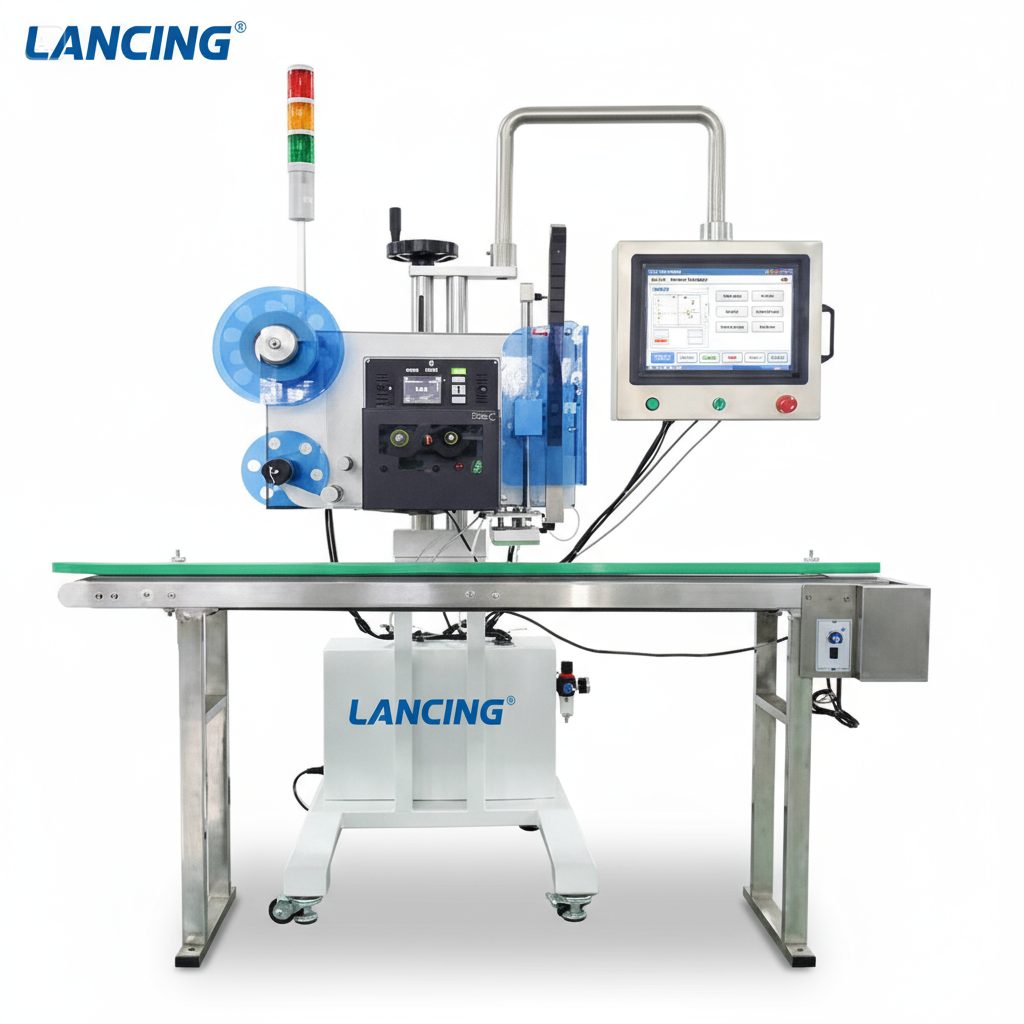
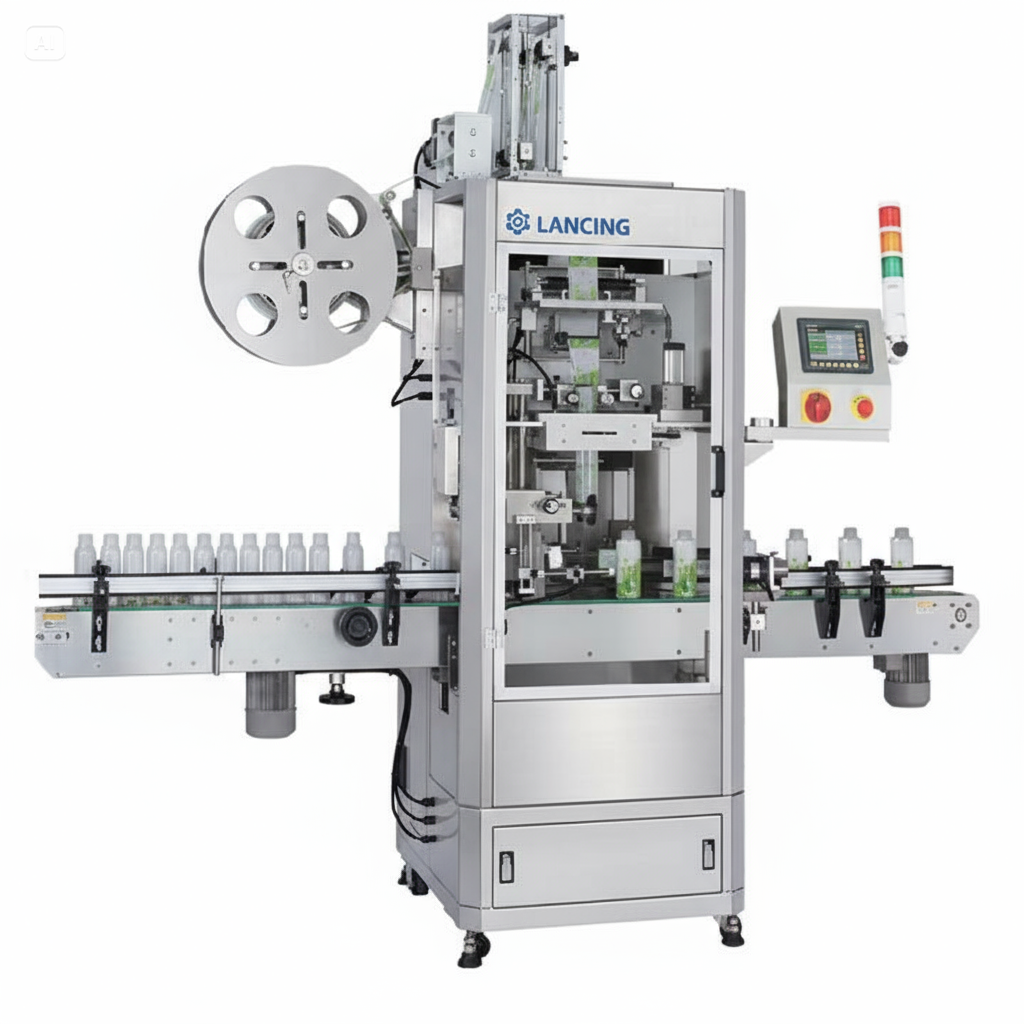
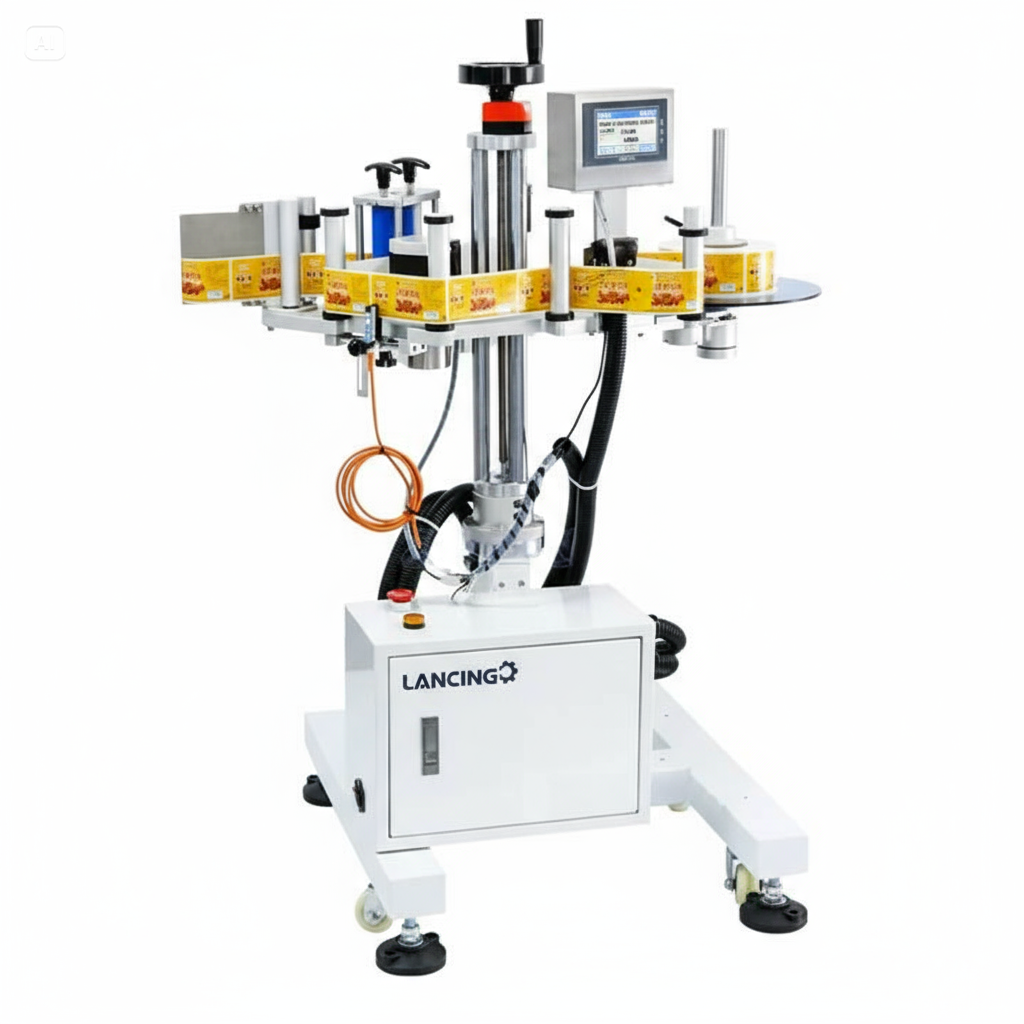
Labelling machinery for round, flat and shaped containers, including print and apply, sleeve and label applicators.
11 machines in this sub-category.
LABELLING22 machines
LABELLING14 machines
LABELLING21 machines
LABELLING1 machine
LABELLING1 machine
LABELLING1 machine
LABELLING3 machines
LABELLING1 machine
LABELLING2 machines
LABELLING2 machines
LABELLING3 machines
Label application depends on container geometry, label construction, output rate and the required level of presentation control.
Round bottles, square bottles, front-and-back presentation, top-and-bottom packs, print-and-apply applications and sleeve solutions all require different labelling formats. The correct label path, wipe-down arrangement, product handling and sensor setup are driven by the pack itself, not by the category name alone.
This category now links into deeper subcategories and a dedicated buying guide so broader labelling searches have a stronger destination page and related content to support them.
These related guides and service pages help move from category research to a specification-ready enquiry.
Use these linked pages to move from Labelling Machinery into a clearer application, solution, guide or support path before requesting a quotation.
These short answers help turn category browsing into a specification-ready enquiry.
Labelling Machinery is usually shortlisted when the pack, process stage and output requirement point toward this part of the line. Final suitability still depends on product behaviour, container stability, closure or label format and the wider line layout.
That depends on output, operator involvement, changeover frequency and site constraints. Smaller or flexible projects often stay with compact or semi-automatic routes, while higher throughput or lower labour input usually pushes the shortlist toward more automatic options.
Look at the wider line as well: product feed, infeed and outfeed handling, change parts, coding, utilities, access for cleaning and maintenance, and how the pack behaves between connected stages.
Send the product description, pack format or drawings, target output, available utilities, layout constraints, expected changeovers and any specialist requirements that could affect the line route.