Products
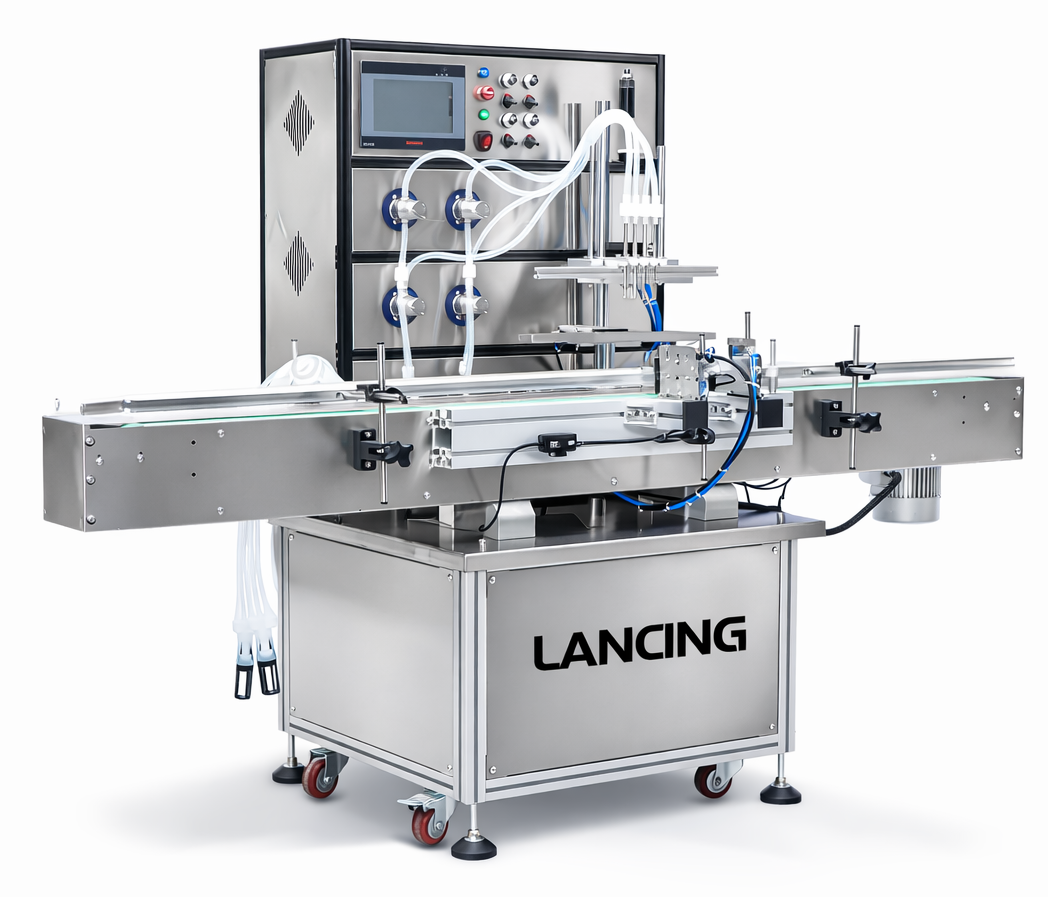
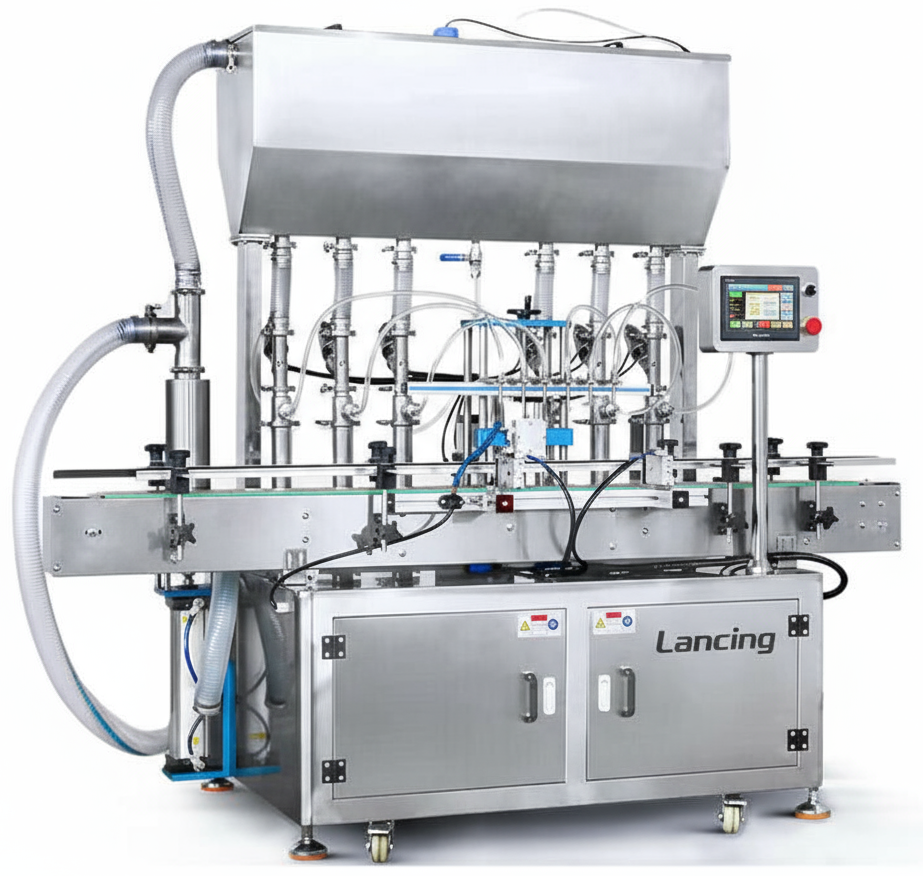
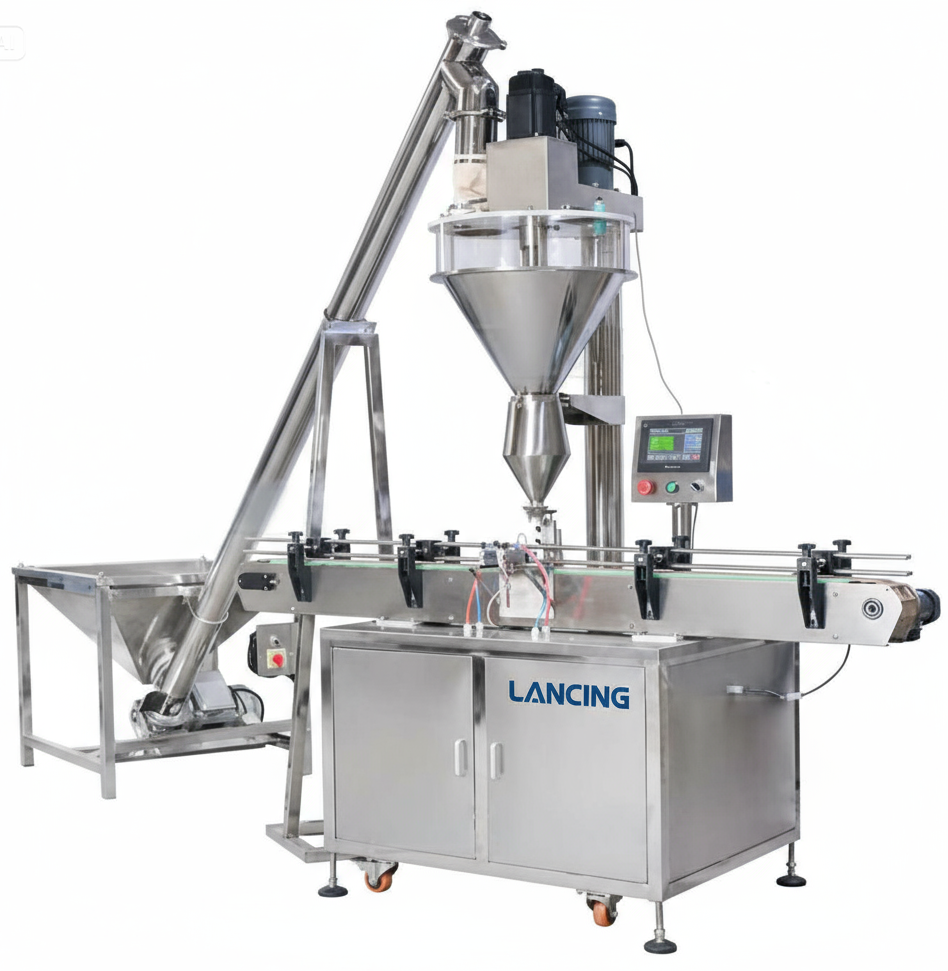
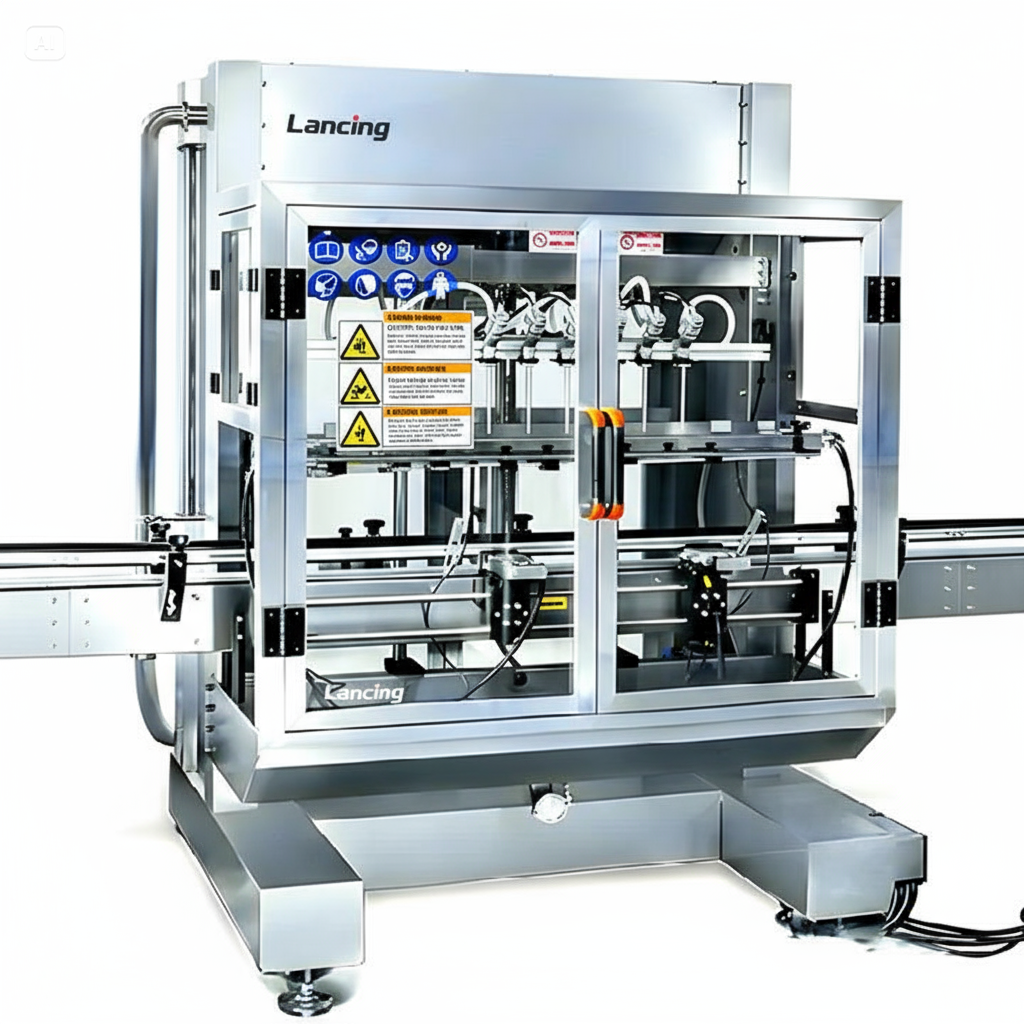
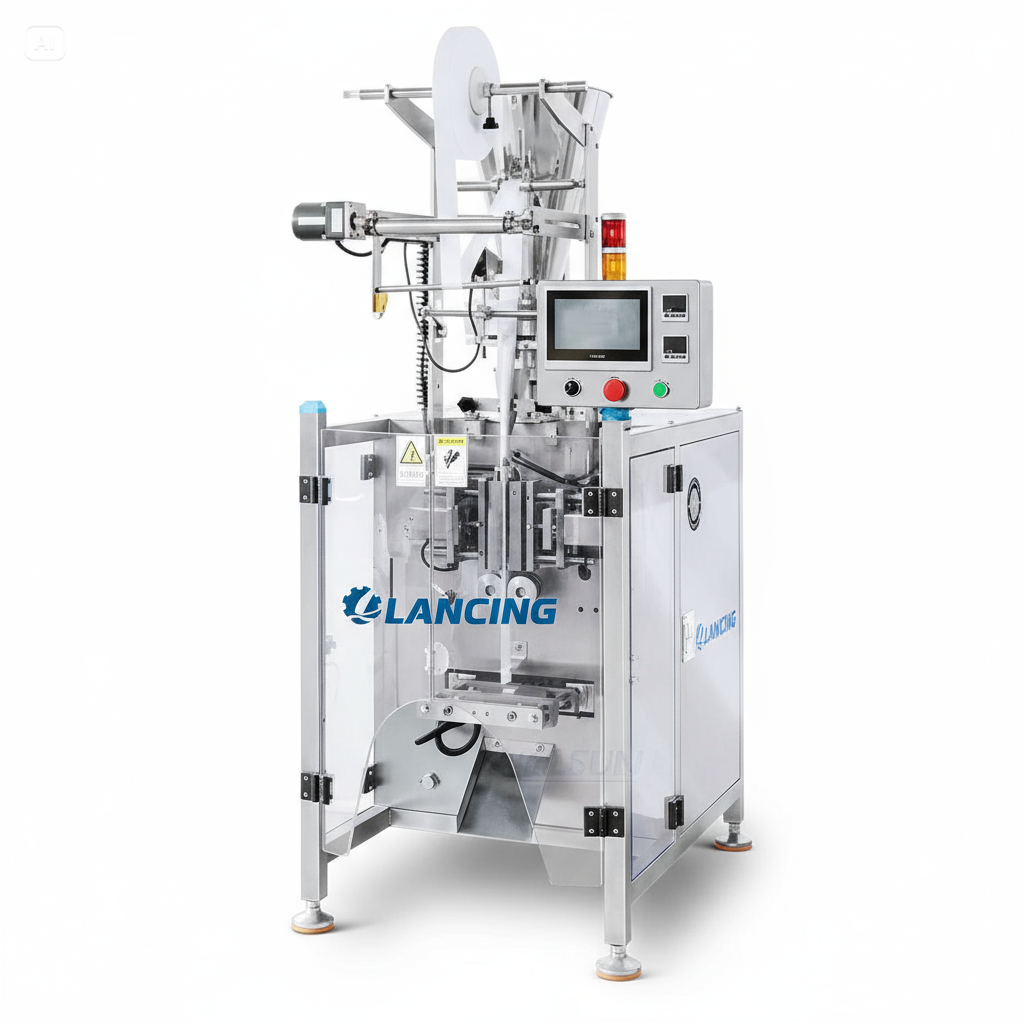
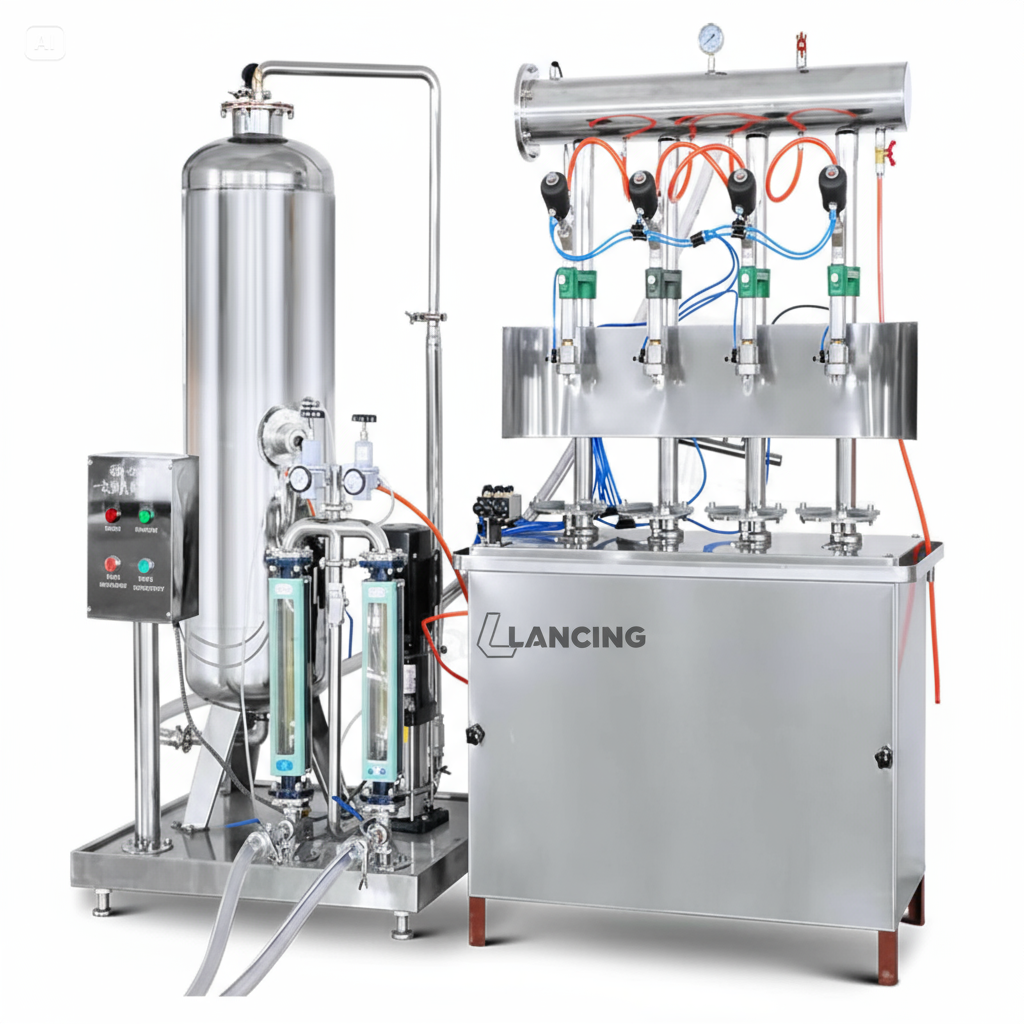
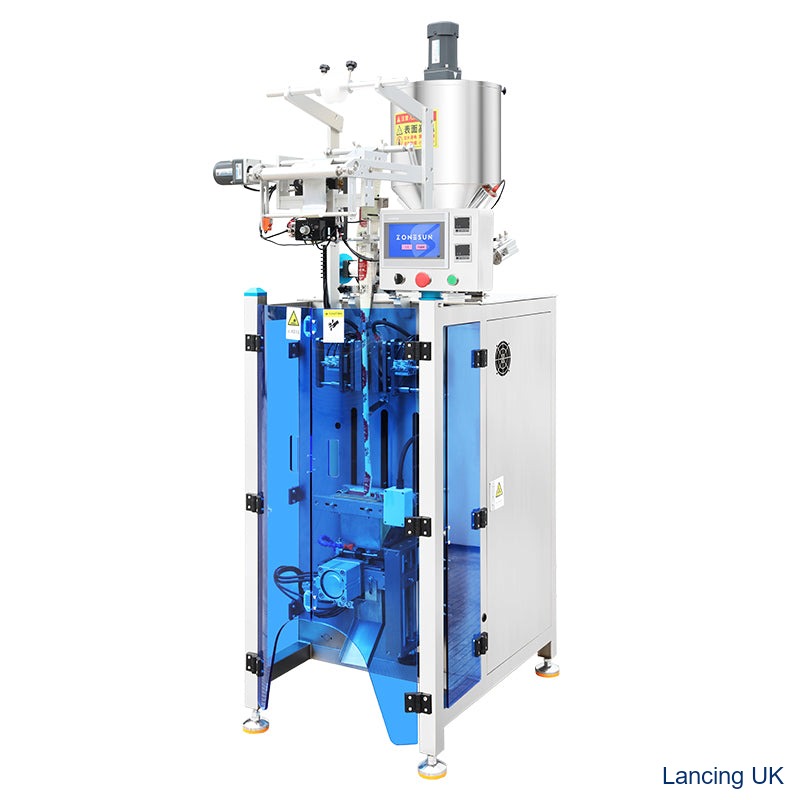
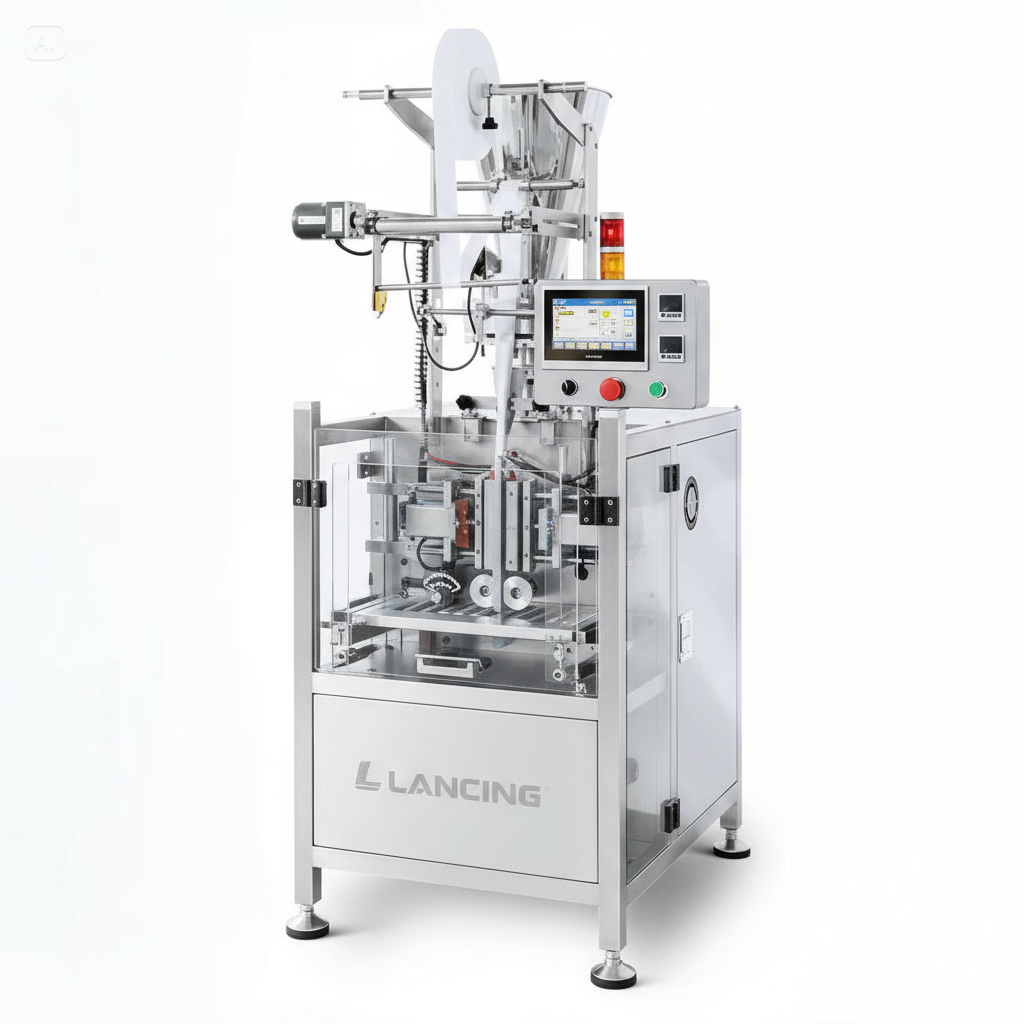
Filling machinery for liquids, pastes, powders, carbonated products, ATEX environments and sachet or VFFS applications.
Filler choice is driven by product behaviour, required accuracy, hygiene demands, container size range and line speed.
Liquid, paste, powder, granule and vacuum filling applications require different dosing principles and changeover methods. Product viscosity, particulates, foaming, temperature, CIP or washdown needs and target output all affect the most suitable machine format.
This category page now links more clearly into buying guidance and related industry pages so buyers can compare semi-automatic and fully automatic fillers using practical criteria rather than headline speed alone.
The right filling principle depends on the product's viscosity, particle size, foaming behaviour, cleanliness requirements and required fill accuracy. Start with the product, then work back to speed and automation level.
Both matter, but accuracy and product handling usually come first. A machine that only hits headline speed under ideal conditions can become a bottleneck if it struggles with foaming, viscous product or frequent changeovers.
Often yes, but the practical range depends on change parts, pump choice, nozzle arrangement and the amount of adjustment required between formats.
These related guides and service pages help move from category research to a specification-ready enquiry.
Use these linked pages to move from Filling Machinery into a clearer application, solution, guide or support path before requesting a quotation.
These short answers help turn category browsing into a specification-ready enquiry.
Filling Machinery is usually shortlisted when the pack, process stage and output requirement point toward this part of the line. Final suitability still depends on product behaviour, container stability, closure or label format and the wider line layout.
That depends on output, operator involvement, changeover frequency and site constraints. Smaller or flexible projects often stay with compact or semi-automatic routes, while higher throughput or lower labour input usually pushes the shortlist toward more automatic options.
Look at the wider line as well: product feed, infeed and outfeed handling, change parts, coding, utilities, access for cleaning and maintenance, and how the pack behaves between connected stages.
Send the product description, pack format or drawings, target output, available utilities, layout constraints, expected changeovers and any specialist requirements that could affect the line route.