Products
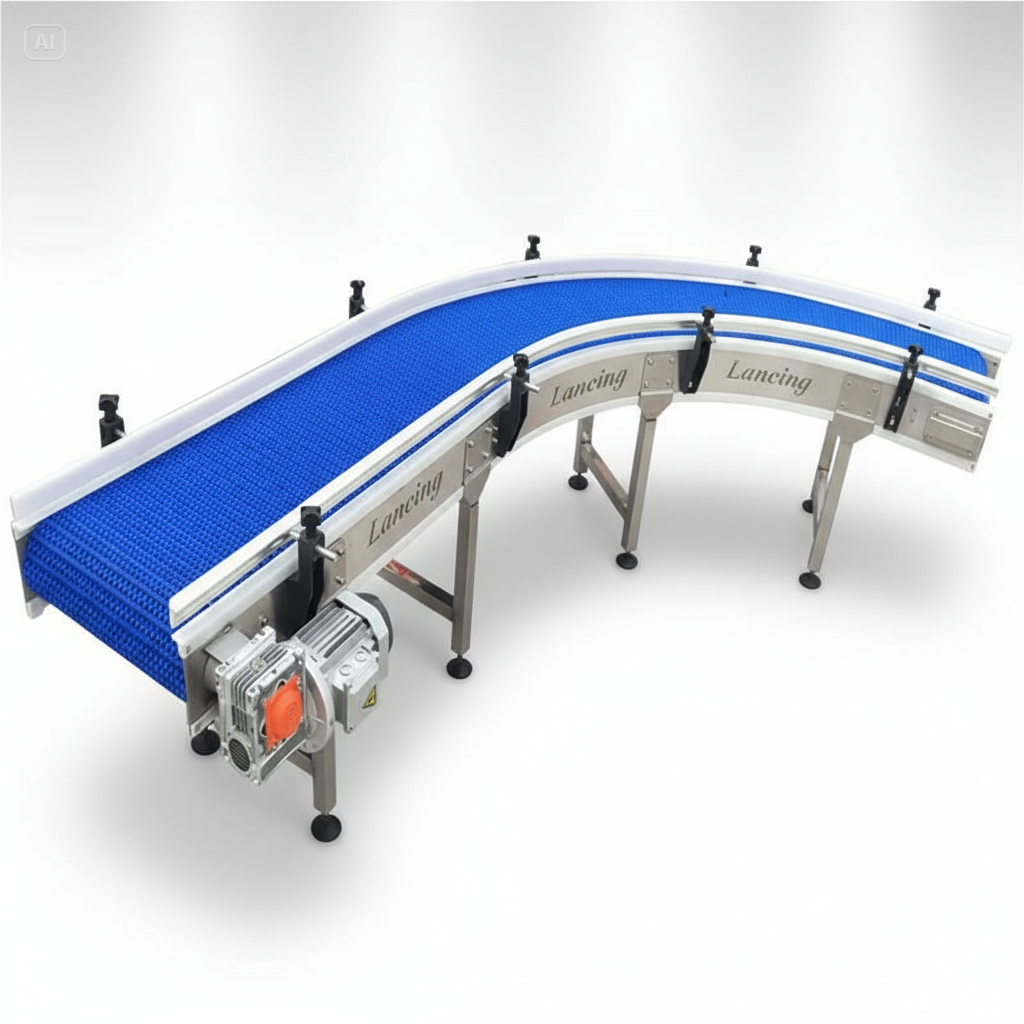
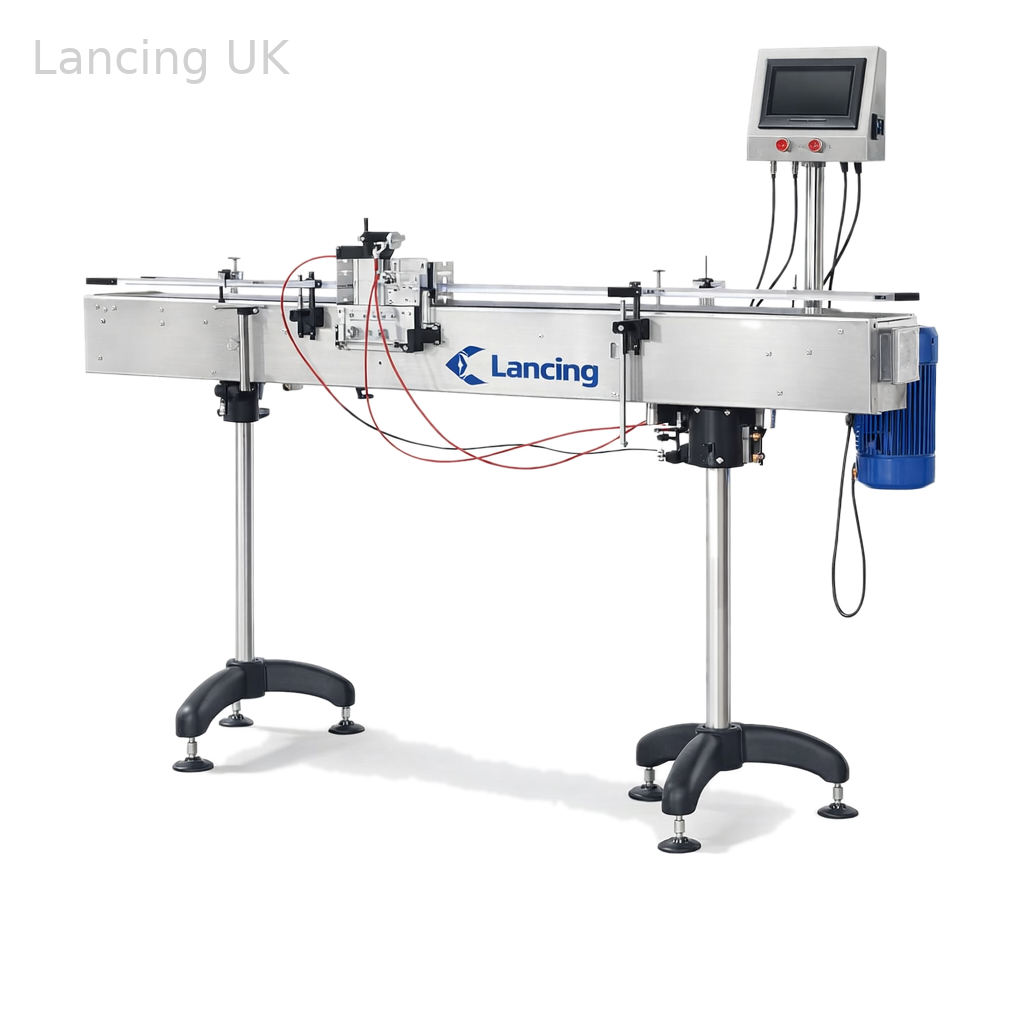
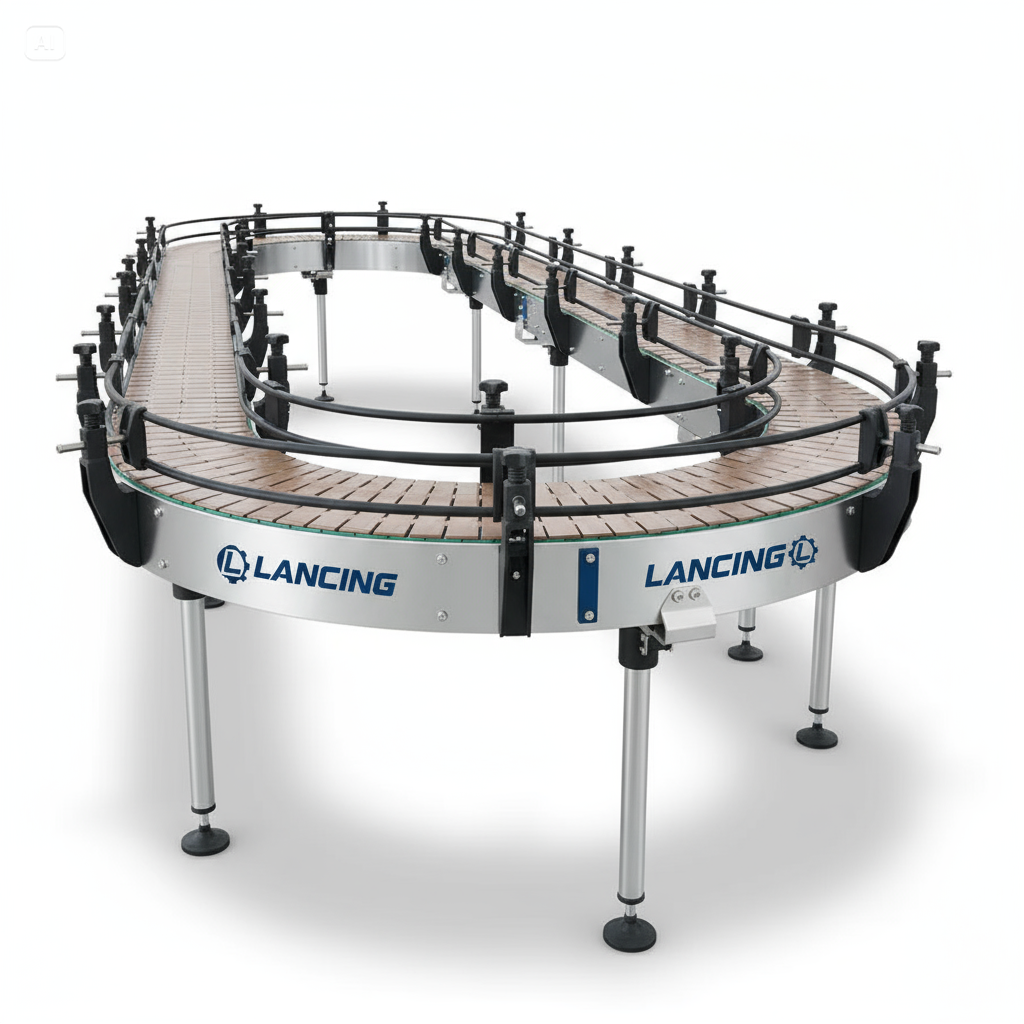
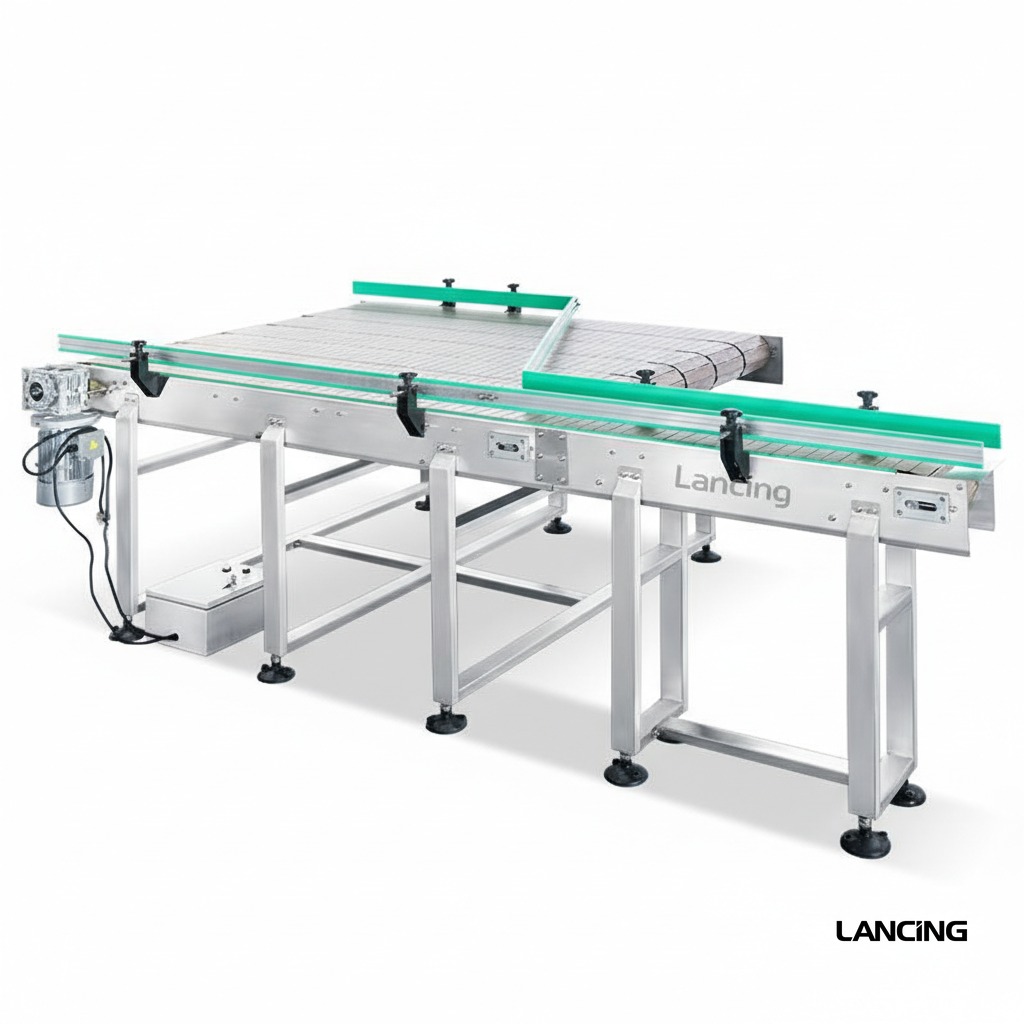
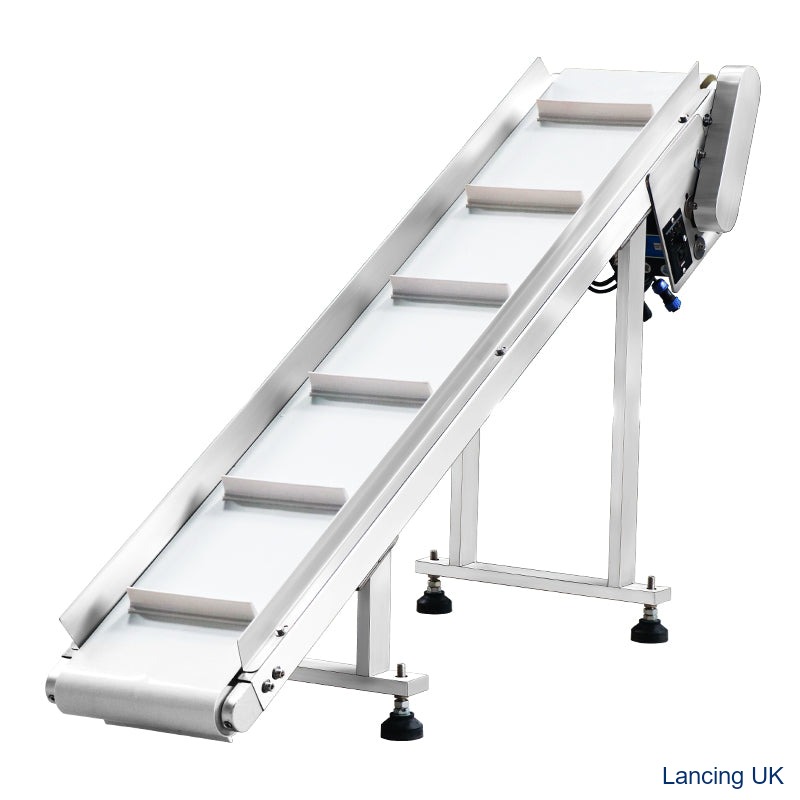
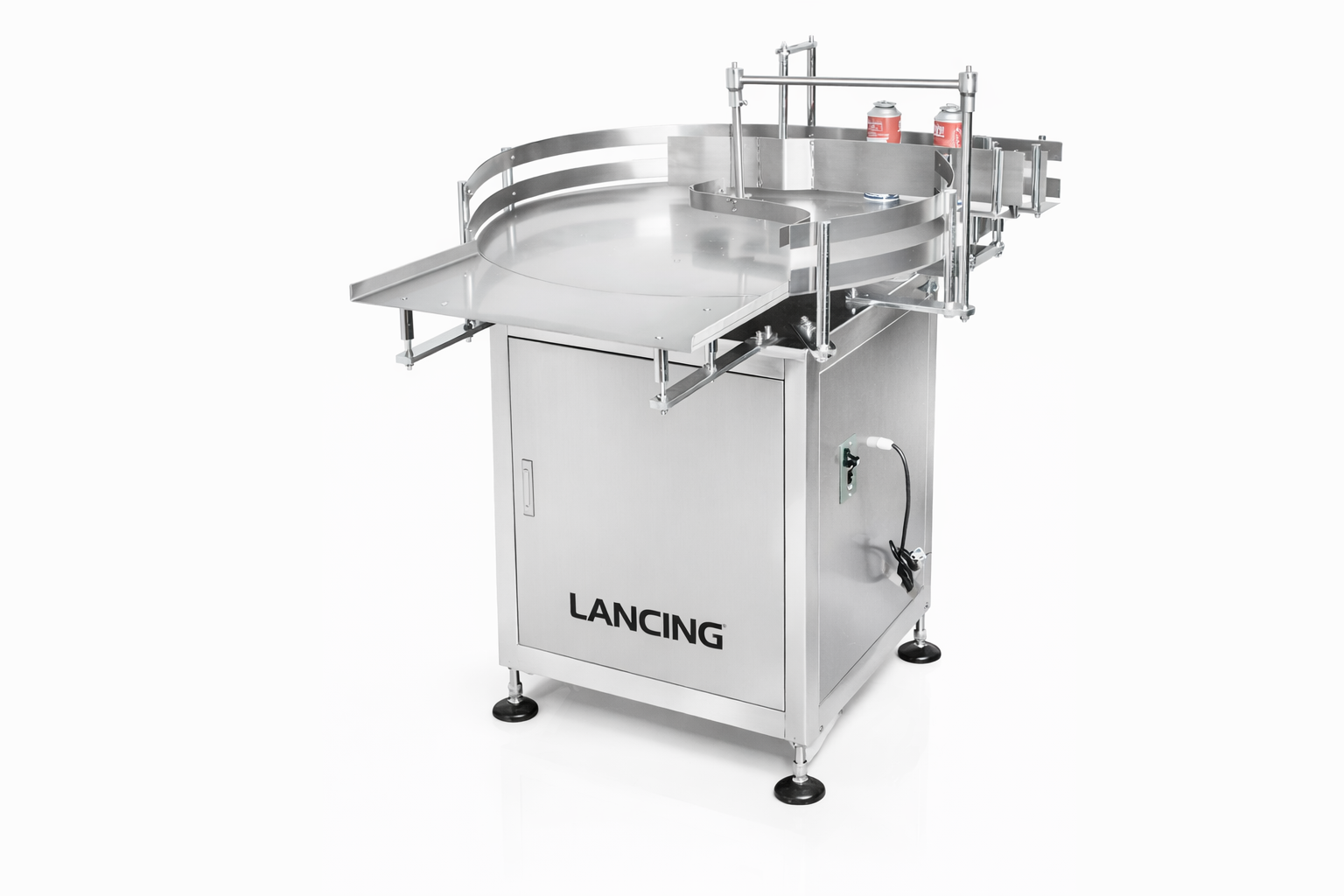
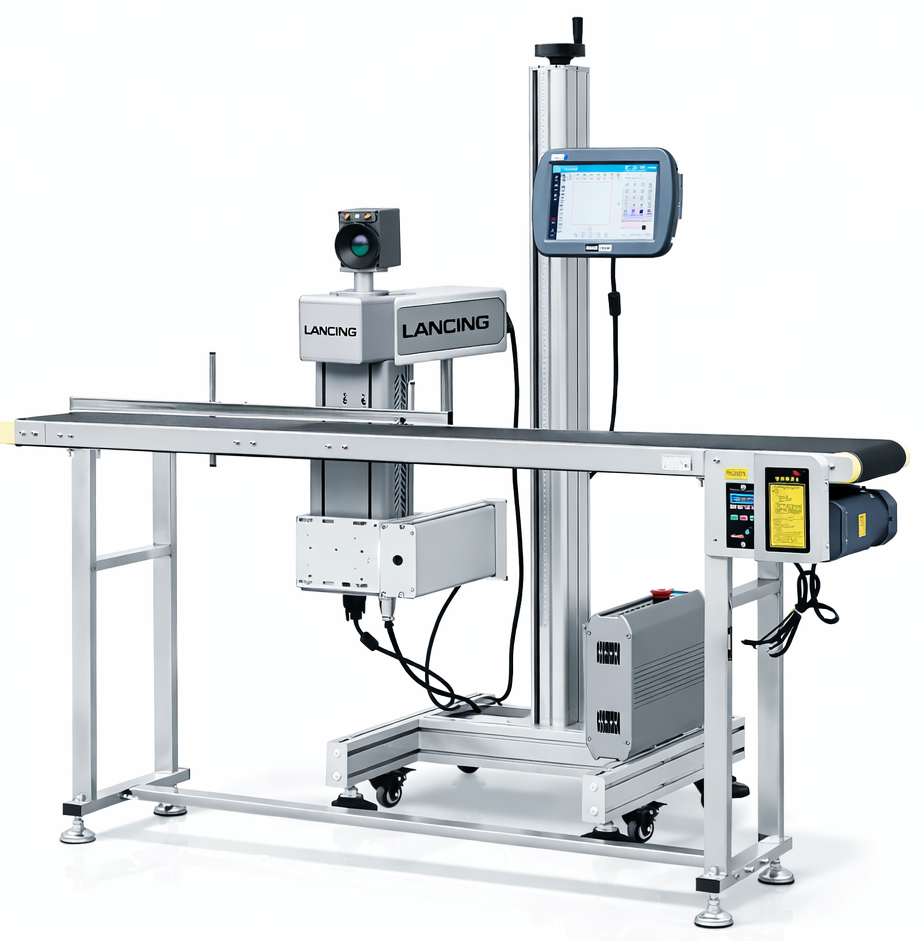
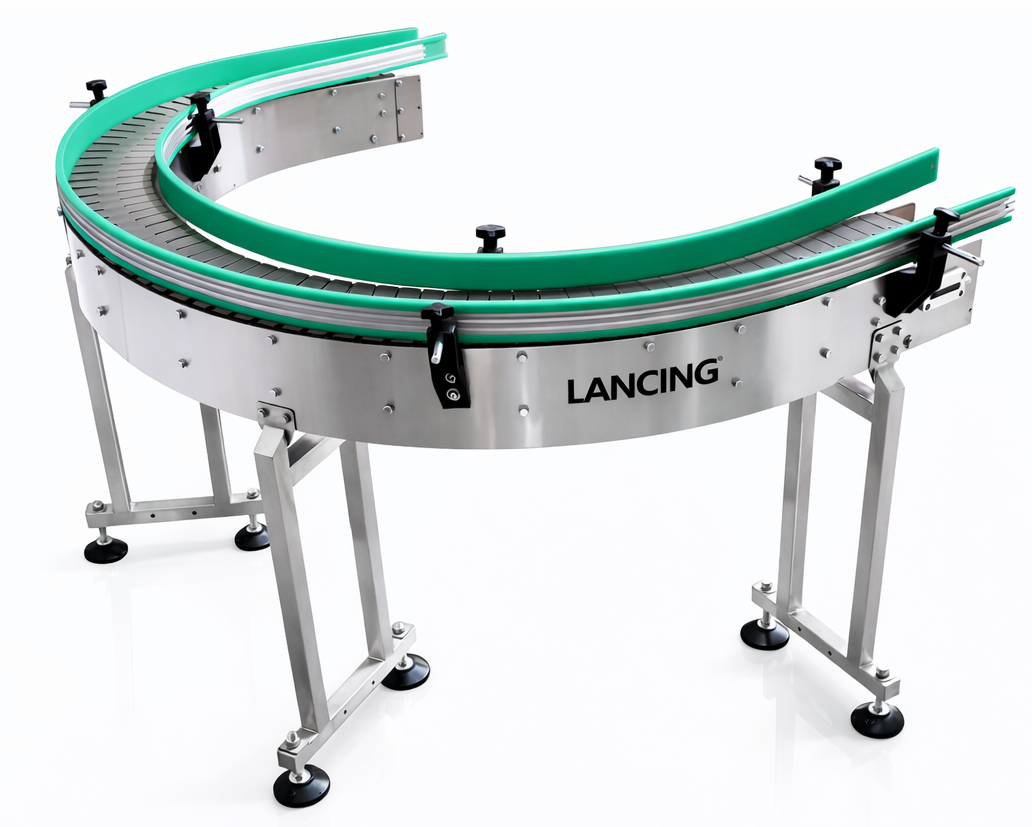
Conveyors and accumulation systems including belt, slatted, curved, infeed, incline and rotary outfeed conveyors plus coding integration.
5 machines in this sub-category.
Conveying is not just ancillary equipment; it governs spacing, transfer stability and machine-to-machine efficiency across the entire packaging line.
Bottle transfer, accumulation, unscrambling, feeding and line buffering affect output as much as the core filler or capper. Inconsistent bottle presentation or poor accumulation control can undo the benefits of faster primary machinery.
These pages now support broader line-integration searches by linking more clearly into category hubs and the complete packaging line guide.
Conveyors are often the part that makes an otherwise capable packaging line stable, safe and efficient in day-to-day production.
The right conveyor layout depends on the product footprint, container stability, changeover range, transfer points and how each machine in the line starts and stops. Accumulation capacity is particularly important where downstream equipment has intermittent pauses; without it, an efficient filler or labeler can still create avoidable stoppages across the line.
When comparing conveyor solutions, it helps to confirm belt type, side guidance, working height, transfer interfaces, reject or coding integration and how the system handles future machine additions. That turns conveyors from a simple transport decision into a line-balancing decision.
These related guides and service pages help move from category research to a specification-ready enquiry.
Use these linked pages to move from Conveyor & Accumulation into a clearer application, solution, guide or support path before requesting a quotation.
These short answers help turn category browsing into a specification-ready enquiry.
Conveyor & Accumulation is usually shortlisted when the pack, process stage and output requirement point toward this part of the line. Final suitability still depends on product behaviour, container stability, closure or label format and the wider line layout.
That depends on output, operator involvement, changeover frequency and site constraints. Smaller or flexible projects often stay with compact or semi-automatic routes, while higher throughput or lower labour input usually pushes the shortlist toward more automatic options.
Look at the wider line as well: product feed, infeed and outfeed handling, change parts, coding, utilities, access for cleaning and maintenance, and how the pack behaves between connected stages.
Send the product description, pack format or drawings, target output, available utilities, layout constraints, expected changeovers and any specialist requirements that could affect the line route.