Products

Complete packaging lines

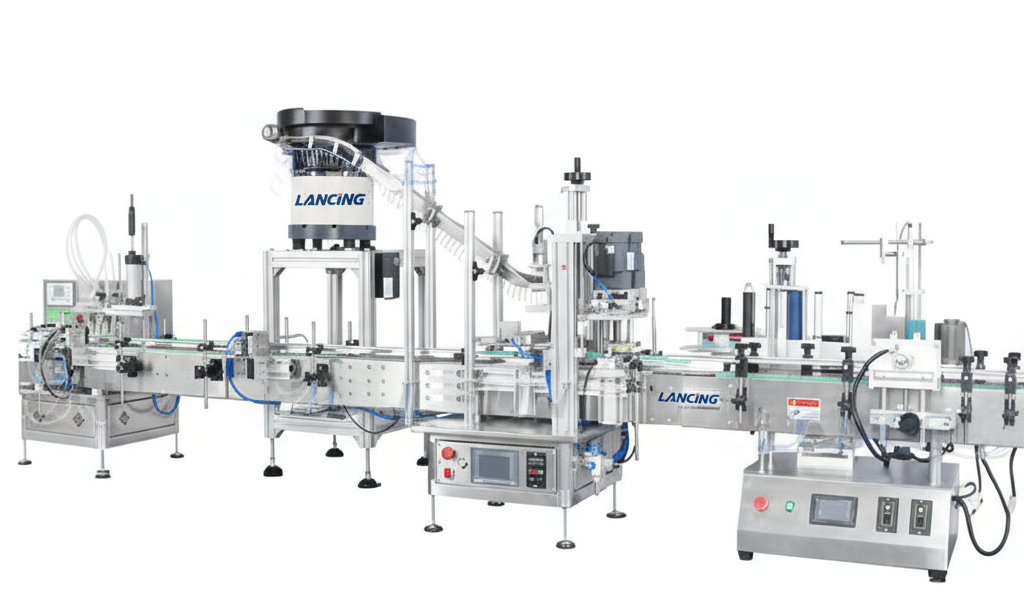
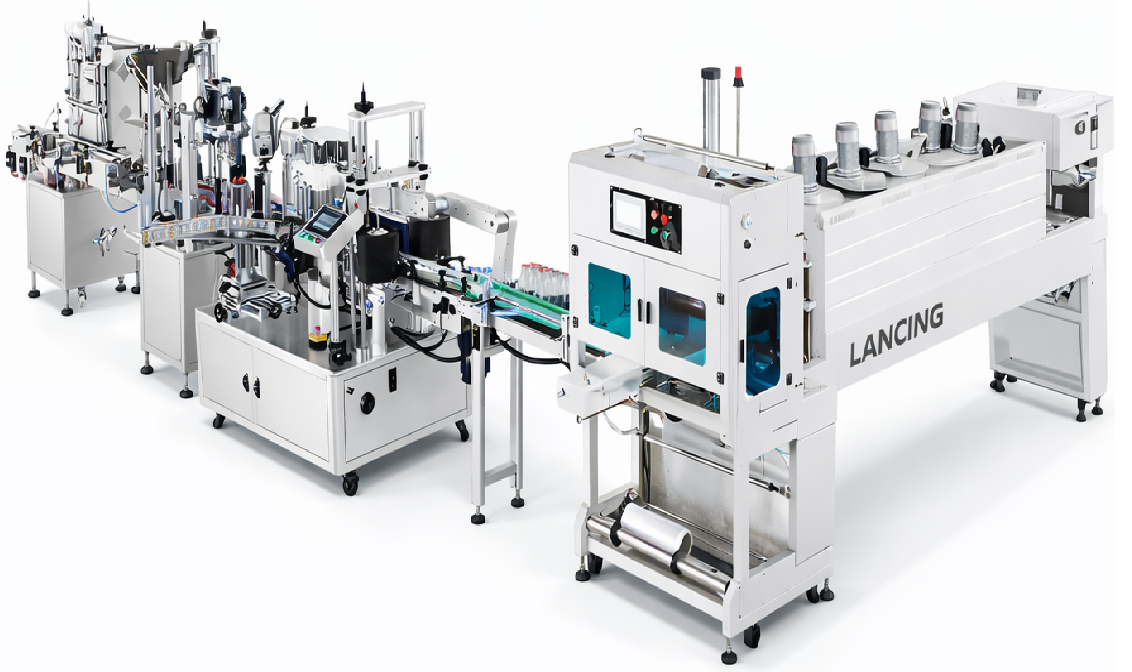
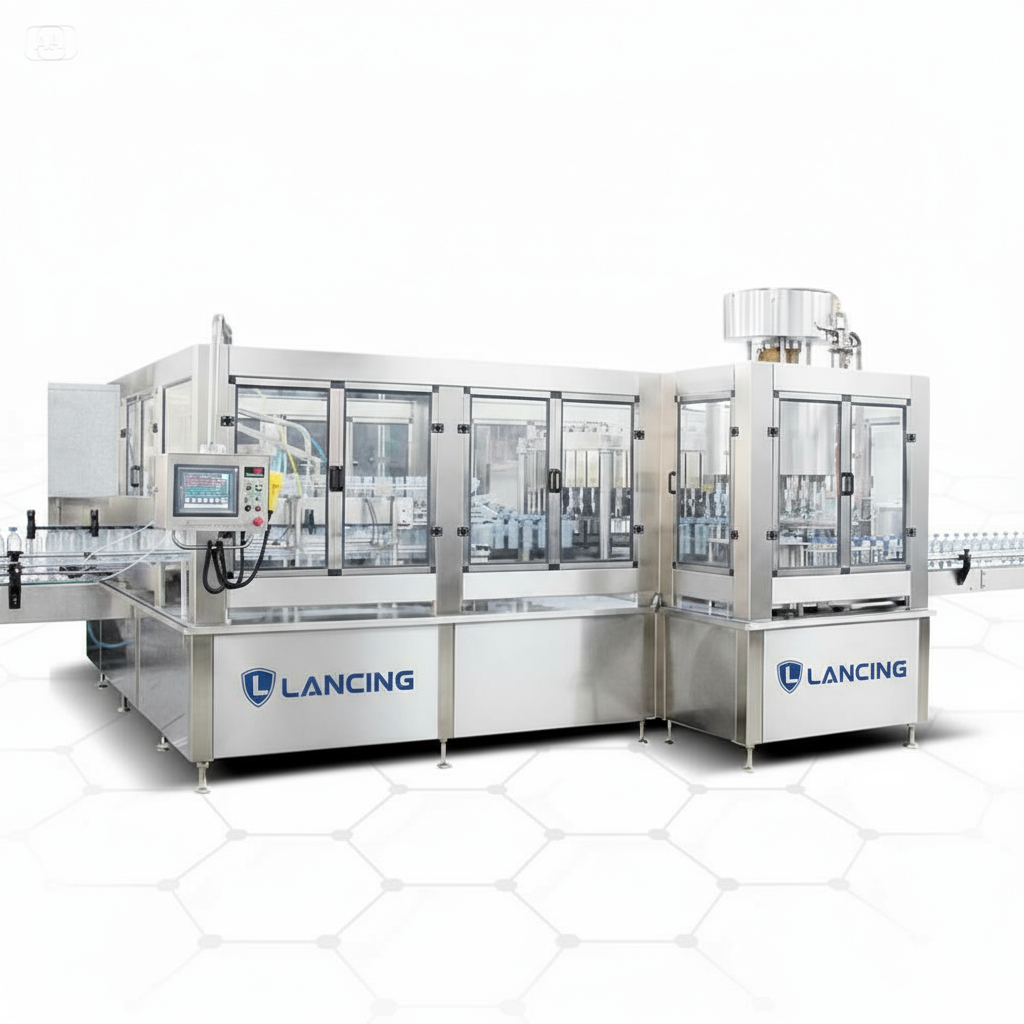
Integrated filling, capping, labelling, conveying and end-of-line planning for projects that need the whole line to work together.

Why complete-line planning matters

A packaging line only performs as well as the hand-off between its stages.

A filler may be well specified on its own, but the line can still underperform if the capper receives unstable bottles, the labeler gets inconsistent spacing or the conveyors provide no accumulation during short stops. Complete-line planning reduces those problems by treating the sequence as one connected process.

That approach is especially valuable where the project includes several machines, higher output targets or multiple pack formats. The stronger the line integration, the less time is usually lost to avoidable bottlenecks.

What to define before the layout is finalised

The best line decisions are usually made before any individual machine is fixed in place.

Start with the product, container or pack type, closure, label format and the target output. Then define the order of operations, the utilities available on site, the space around the line and how format changeovers will be handled. This information influences not only the machinery family but also the conveyor layout and the amount of accumulation needed between stages.

Good line design also protects operator workflow, service access and future expansion. It is often easier to plan for those needs at specification stage than to retrofit them later.

Where complete lines create value

The commercial case for complete-line thinking usually comes from stability as much as headline throughput.

A stable line gives better output consistency, more predictable restarts and cleaner hand-offs between filling, capping, labelling and final pack handling. That makes it easier to run the project practically rather than only technically.

For that reason, complete packaging lines are usually best planned by working backwards from the finished pack and the real workflow on site.

What information is needed to scope a complete packaging line?

The product, container or pack format, closure, label style, target output, utilities and available floor space are the main starting points.

Should I select the filler first?

It is often better to define the full process sequence first so the filler, capper, labeler and conveyors are chosen as one system.

Can a line be designed for future expansion?

Often yes. Layout and machine-family choices can make staged growth easier if that is planned early.

Need help with complete packaging lines?

Share your product, pack format, target output and site constraints. Lancing UK can point you to the most relevant machinery route.

Planning and support routes for this machinery type

These related guides and service pages help move from category research to a specification-ready enquiry.