Capping Machinery
Explore ropp capping options within capping machinery and compare the machines that best fit your product, pack format and required output.
5 machines in this sub-category.
CAPPING
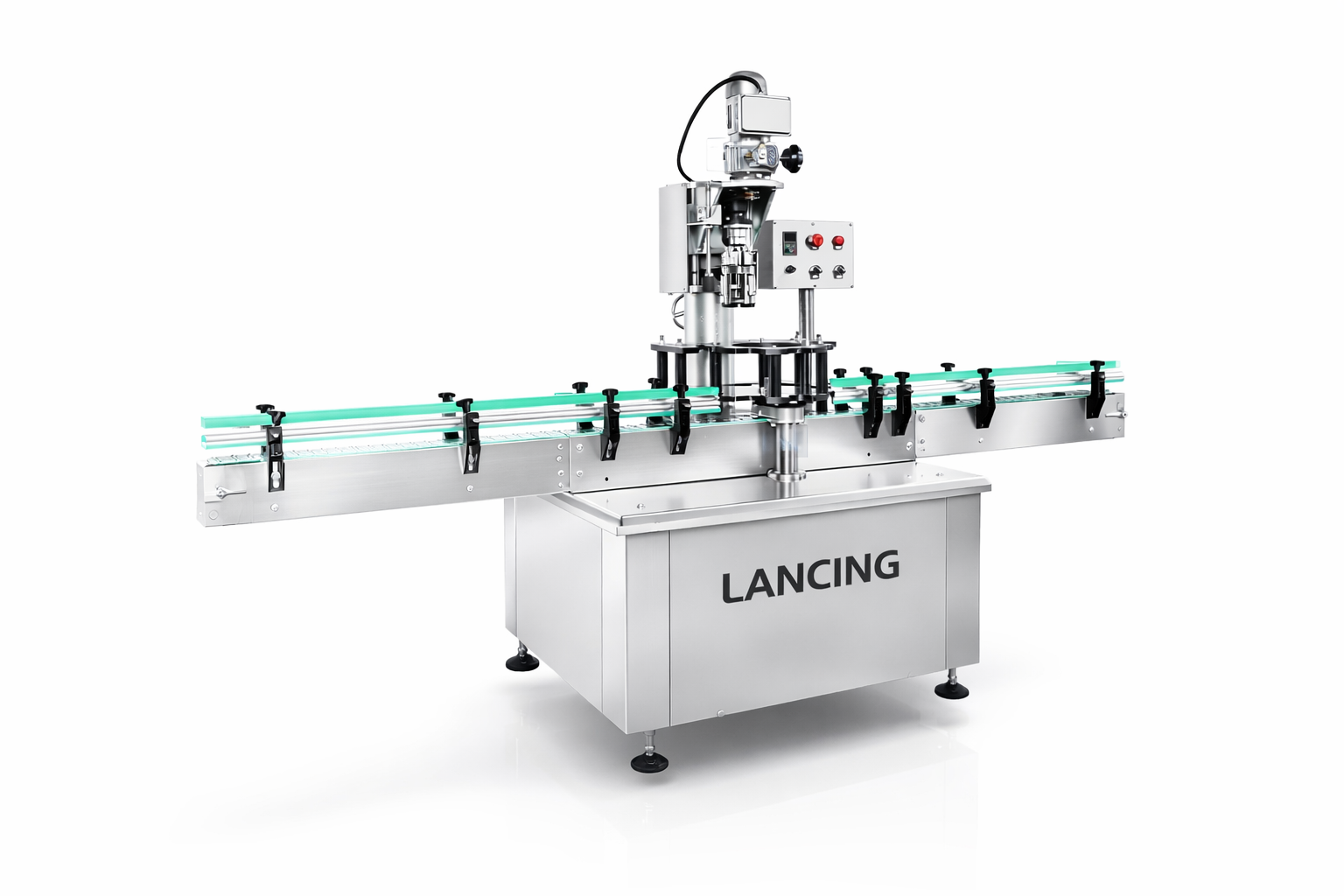
The LU-XG440L is a fully automatic crimping machine designed for ring pull caps, crown caps, and similar closures. Ideal for beer, soft drinks, and juice
CAPPING
This automatic capping machine is suitable for screwing pilter proof caps, like beverage bottle caps, wine bottle caps, olive oil bottle caps, etc. Equipped
CAPPING
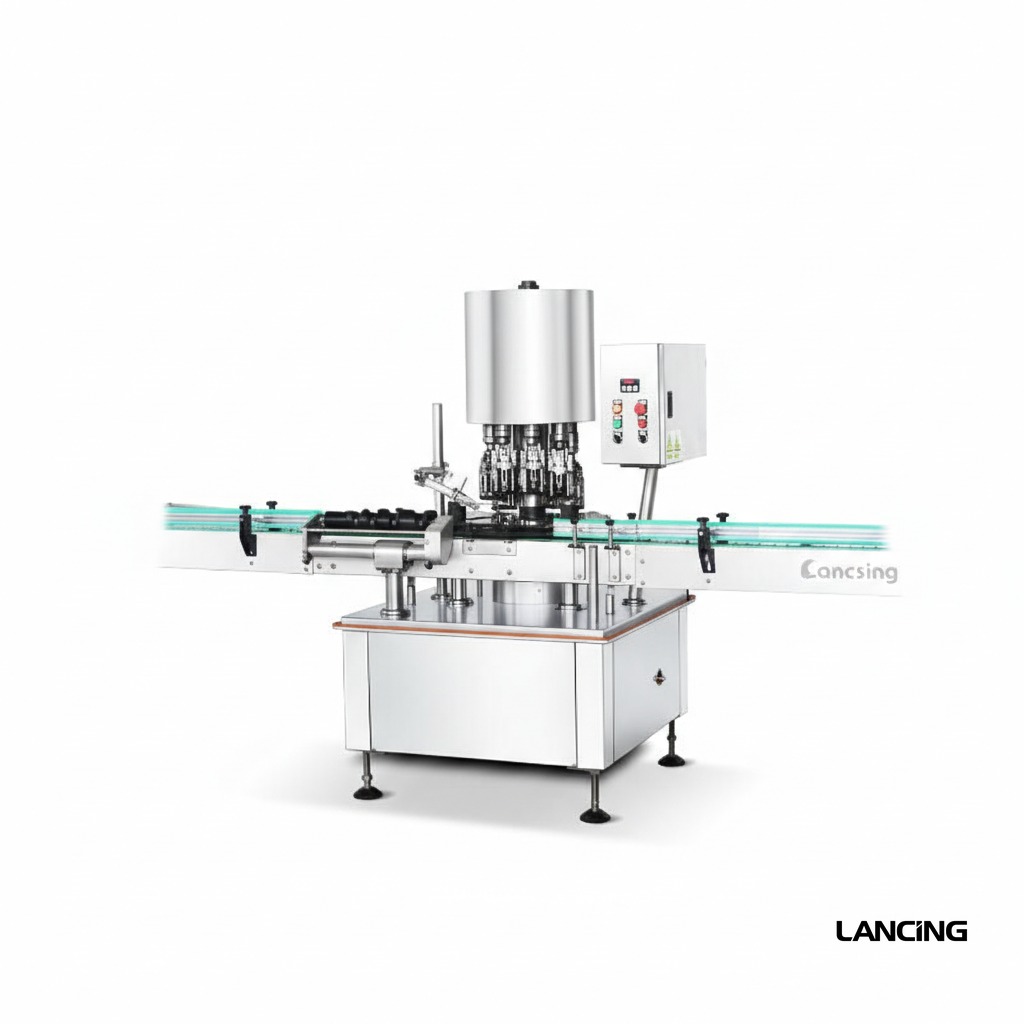
The LU-XG440C8 is a high-speed rotary capping machine engineered for applying ROPP caps to glass bottles. With an 8-head turret and vibratory bowl feeder, it
CAPPING
The Lancing UK LU‑XG50D Automatic Capping Machine is engineered for efficient and secure sealing of pilfer proof caps on wine, plastic, and glass bottles
CAPPING
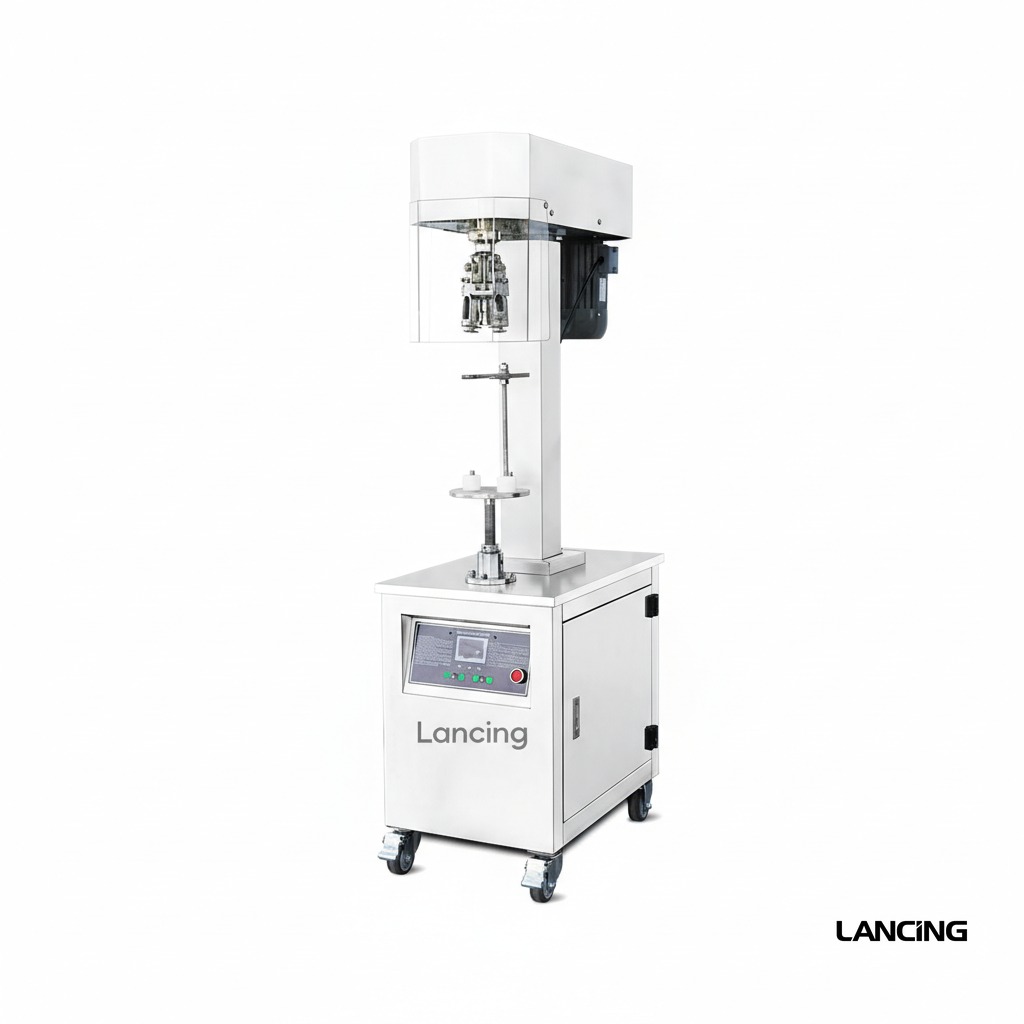
LU‑XG60C Semi Automatic Ropp Capping Machine is a capping machine from Lancing UK designed for ROPP and aluminium closure applications, bottle and jar
Explore ropp capping options within capping machinery and compare the machines that best fit your product, pack format and required output.
Ropp Capping pages work best when they explain what distinguishes this machine group from the wider capping machinery category. This section adds practical buying context so the page is useful to both visitors and search engines.
Machines currently listed here include Automatic Ring Pull Crown Capping Machine, Automatic Ropp Pilfter Proof Capping Machine, LU-XG440C8 8-Head ROPP Capping Machine.
When shortlisting ropp capping equipment, compare the product and pack format first, then check output, changeovers, utilities, footprint and line-integration requirements.
Use these pages to compare machine families and move from category browsing into specification-ready enquiries.
These related guides and service pages help move from category research to a specification-ready enquiry.
Use these linked pages to move from ROPP Capping into a clearer application, solution, guide or support path before requesting a quotation.
These short answers help turn category browsing into a specification-ready enquiry.
ROPP Capping is usually shortlisted when the pack, process stage and output requirement point toward this part of the line. Final suitability still depends on product behaviour, container stability, closure or label format and the wider line layout.
That depends on output, operator involvement, changeover frequency and site constraints. Smaller or flexible projects often stay with compact or semi-automatic routes, while higher throughput or lower labour input usually pushes the shortlist toward more automatic options.
Look at the wider line as well: product feed, infeed and outfeed handling, change parts, coding, utilities, access for cleaning and maintenance, and how the pack behaves between connected stages.
Send the product description, pack format or drawings, target output, available utilities, layout constraints, expected changeovers and any specialist requirements that could affect the line route.