I need accurate filling
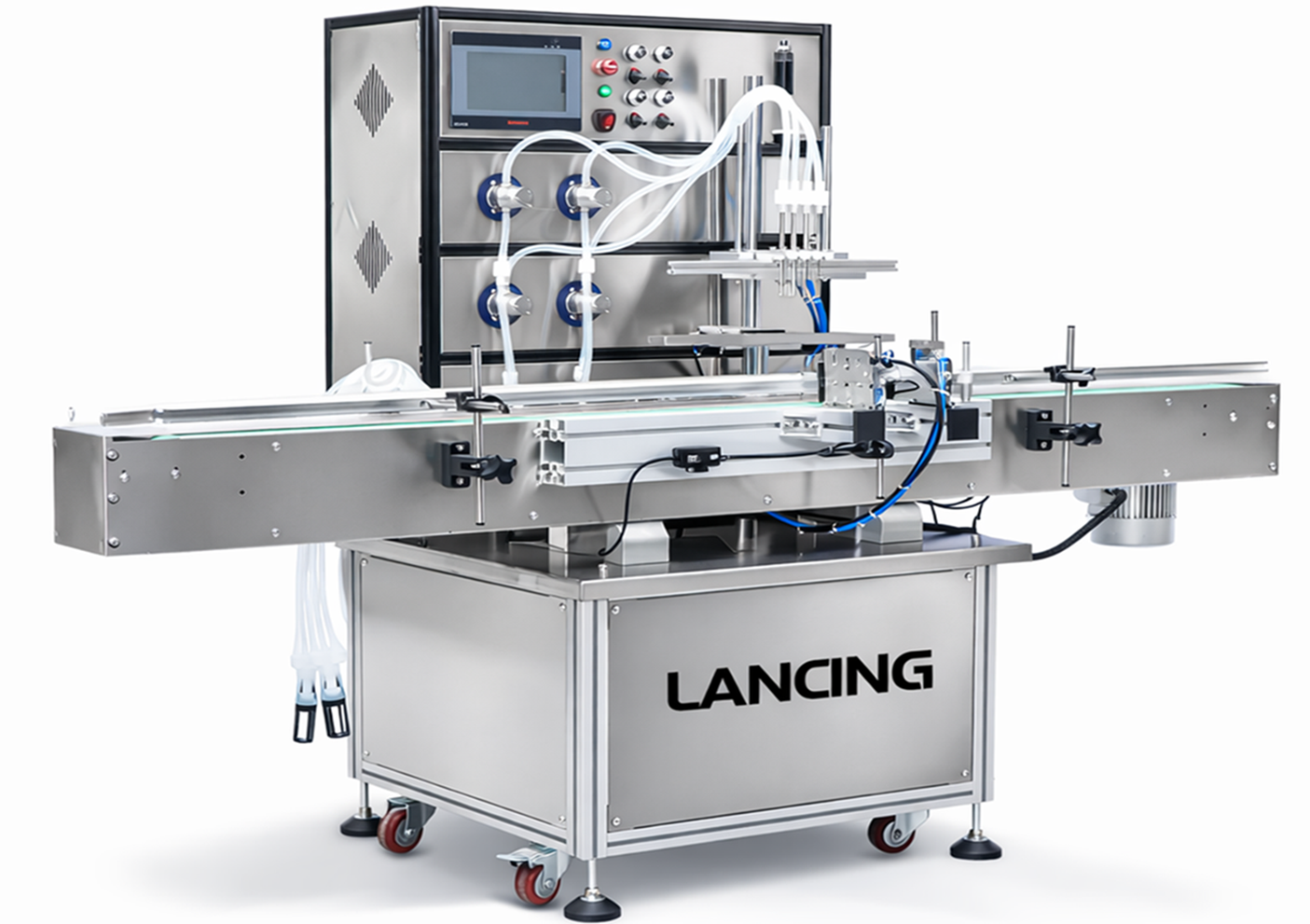
Review liquid, paste, powder, granule, weight and vacuum filling options, then compare output, nozzle count, product behaviour and container range.
Categories and sub-categories have been rebuilt from the reviewed product classification sheets.
FILLINGFilling machinery for liquids, pastes, powders, carbonated products, ATEX environments and sachet or VFFS applications. (102 machines)
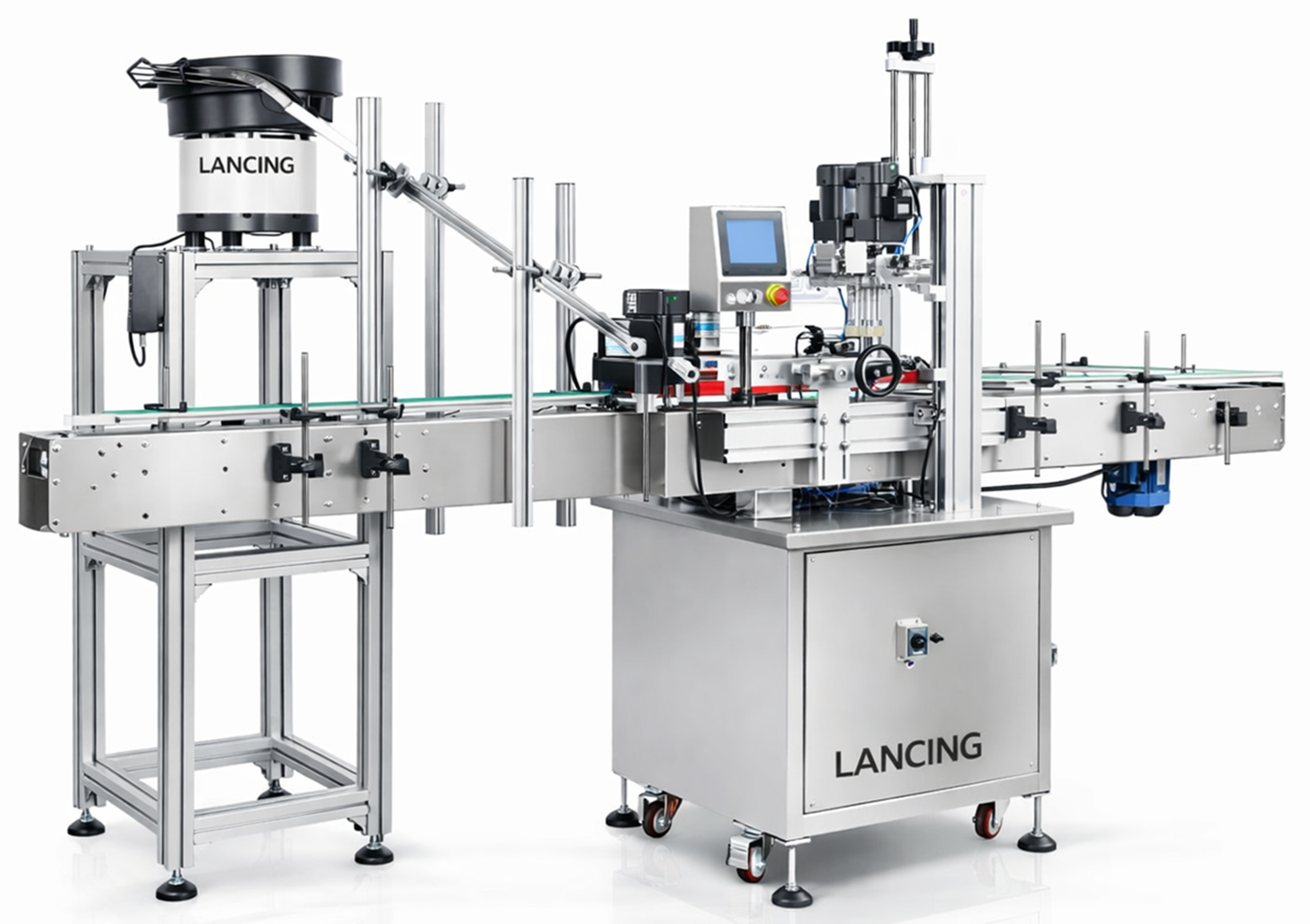
CAPPINGCapping machinery including screw, trigger, pump, ROPP, crimp and vacuum capping solutions. (70 machines)
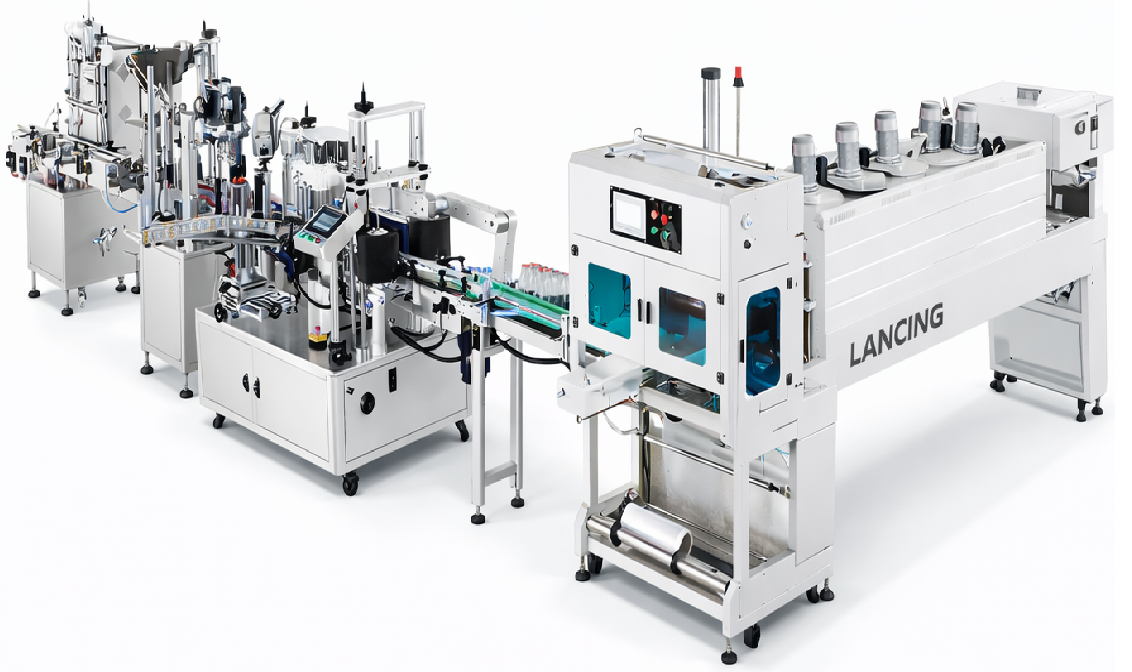
FILL/SEALCombined filling and sealing solutions (integrated systems and complete lines). (16 machines)
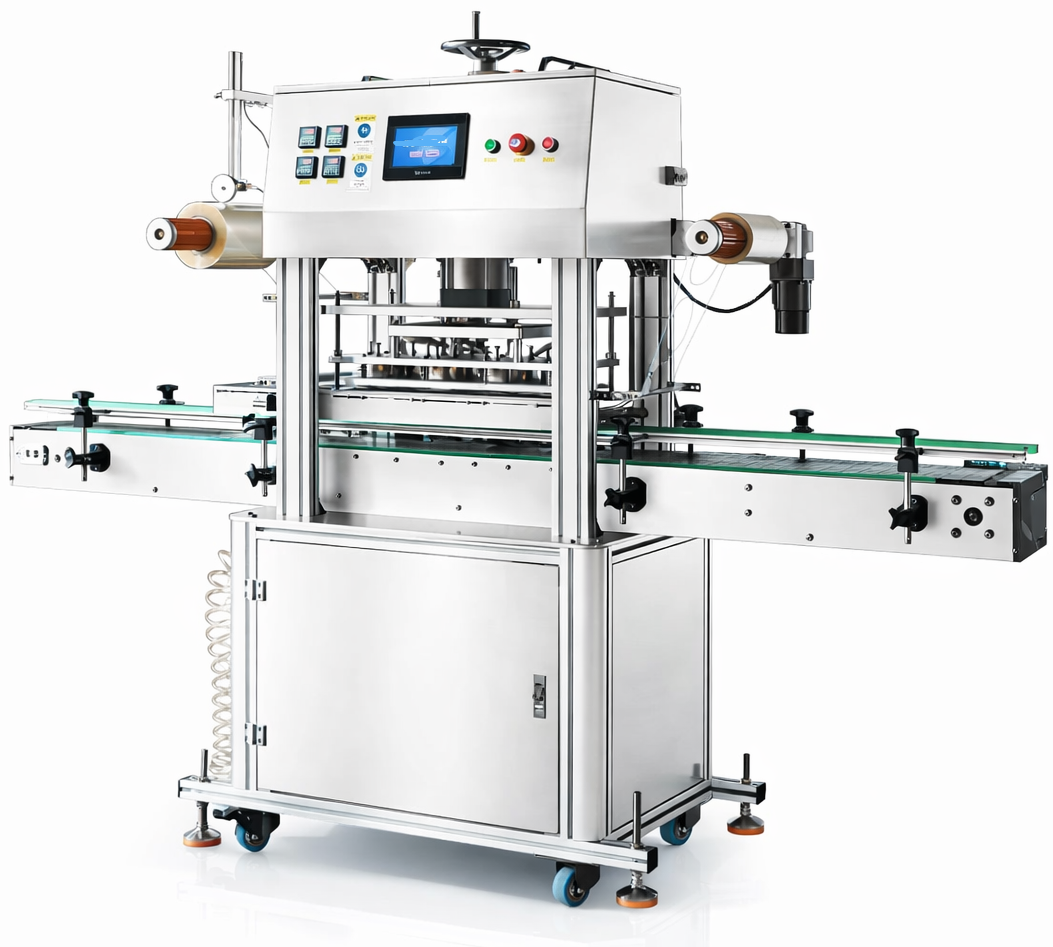
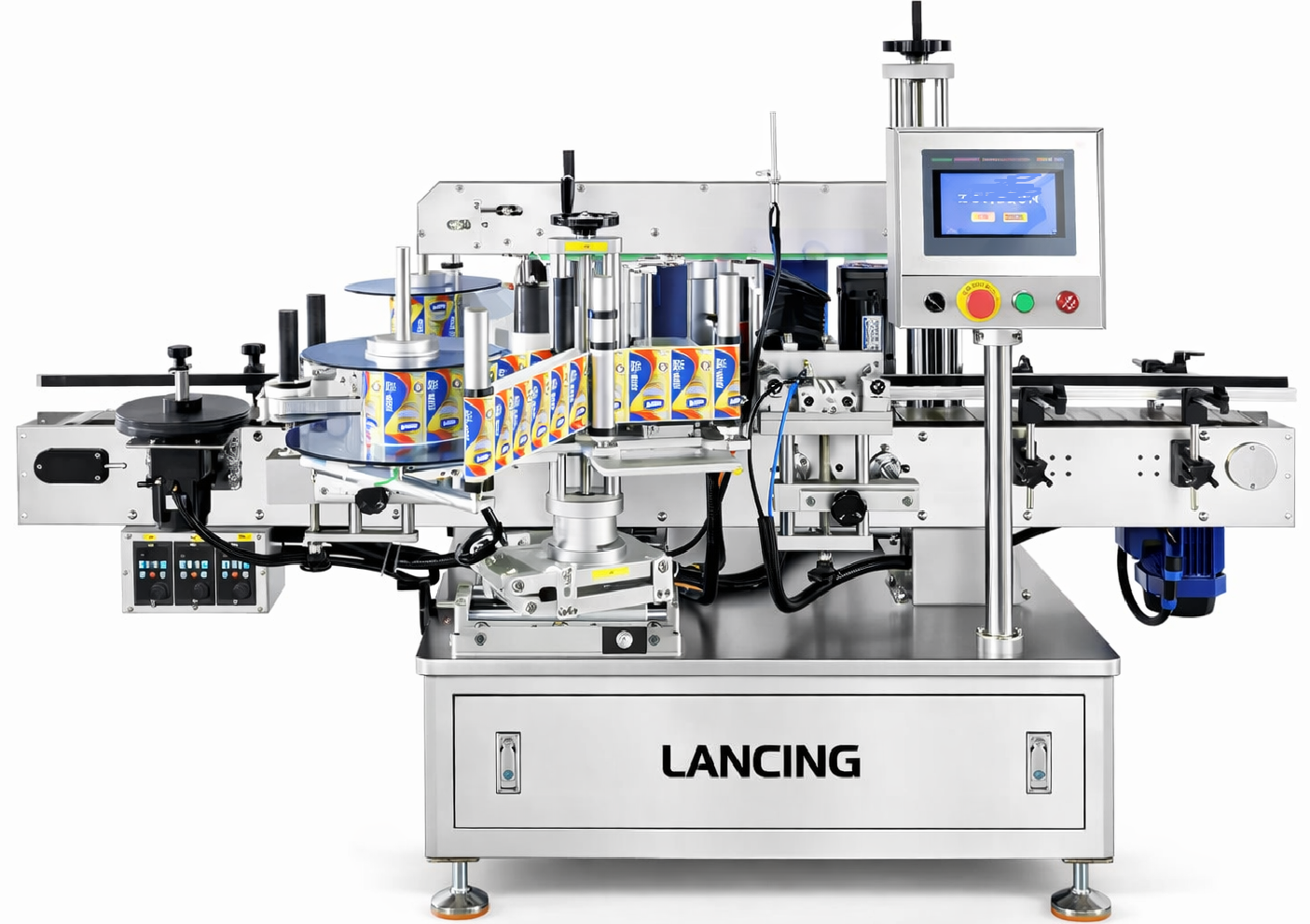
LABELLINGLabelling machinery for round, flat and shaped containers, including print and apply, sleeve and label applicators. (79 machines)
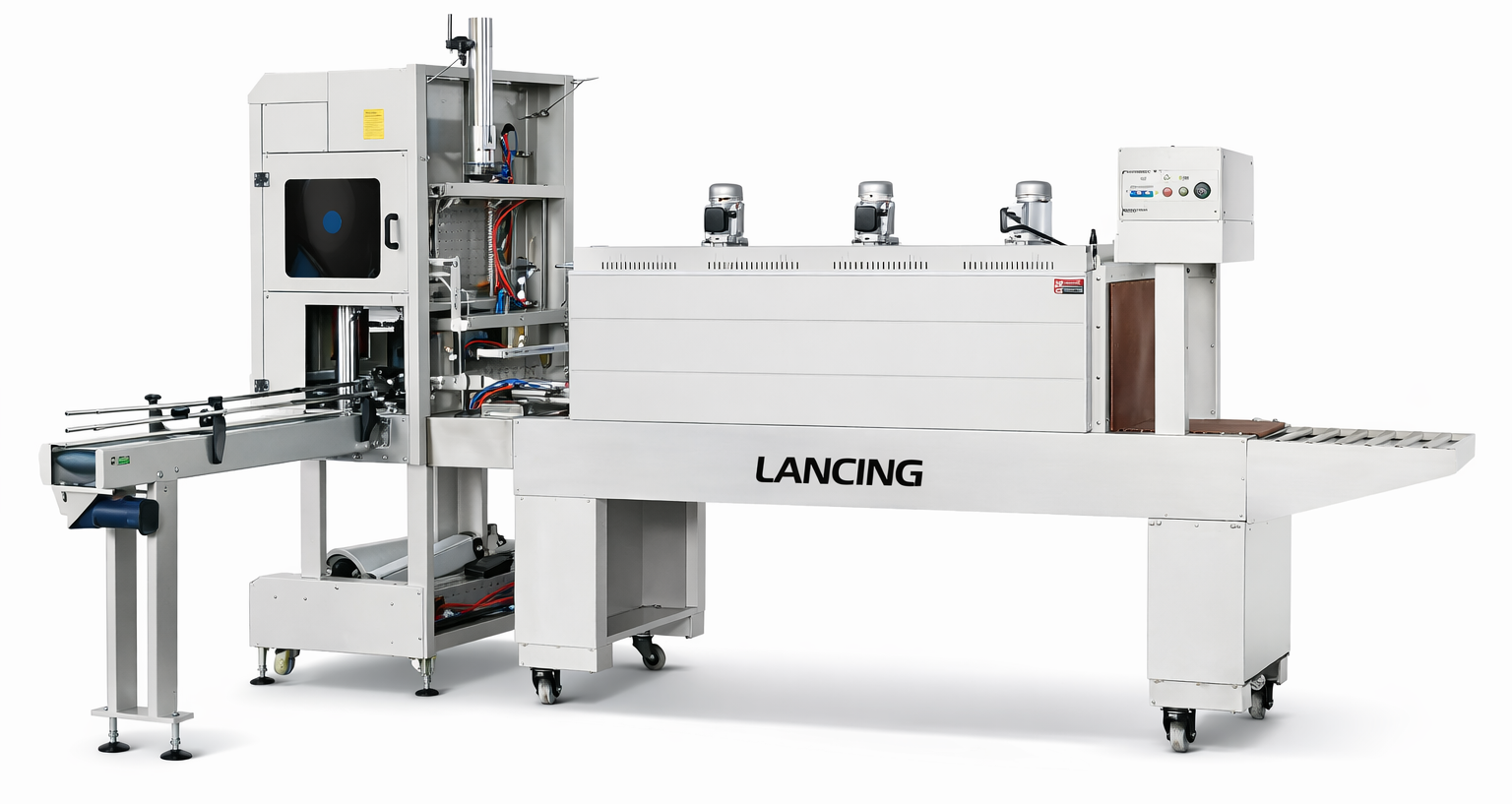
SHRINKWRAPShrinkwrapping machinery including chamber sealers, L sealers, sleeve sealers, heat tunnels and flow wrappers. (10 machines)
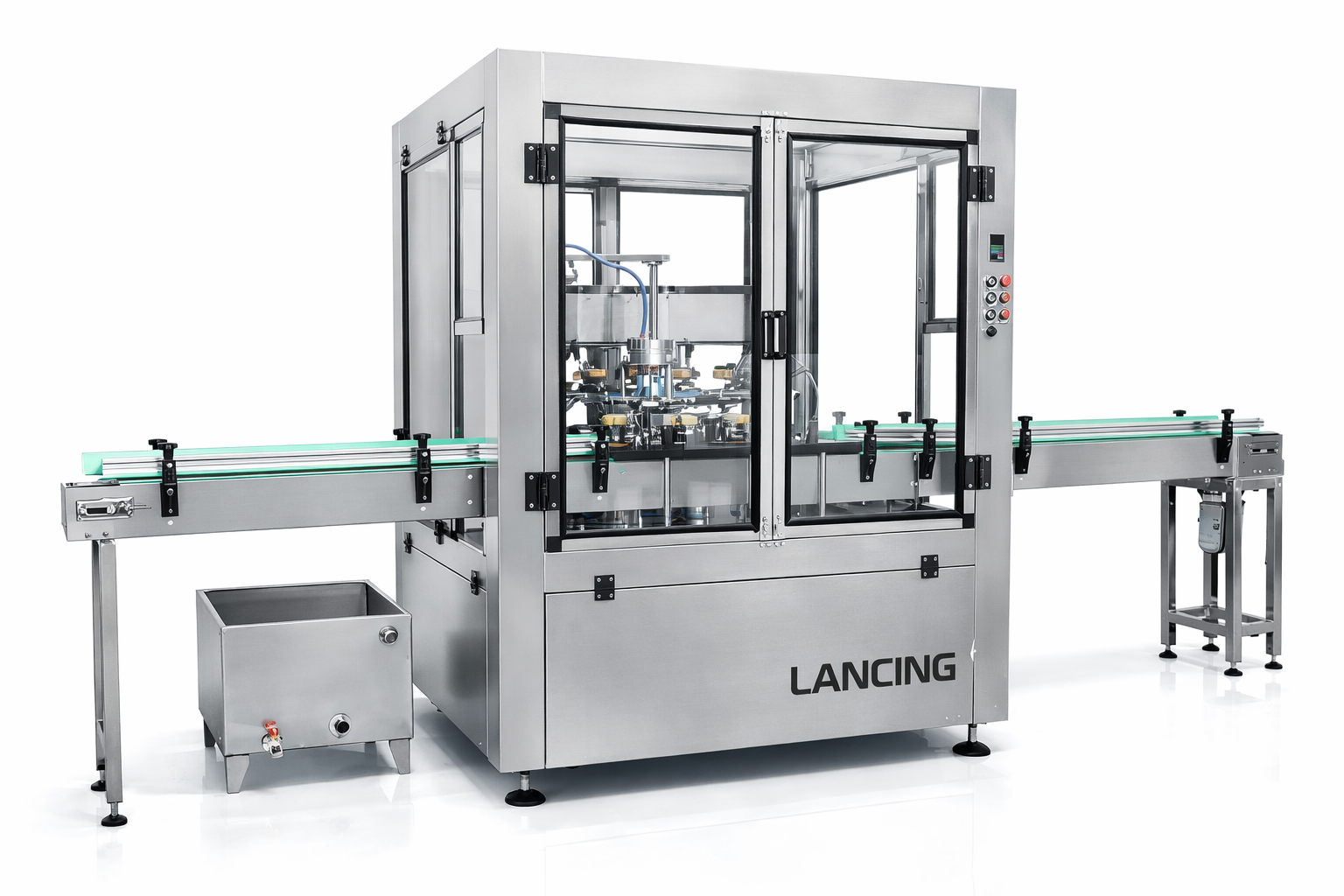
RINSINGRinsing and feeding machinery including bottle rinsing, infeed systems, feeders, unscrambling and cap feeding. (17 machines)
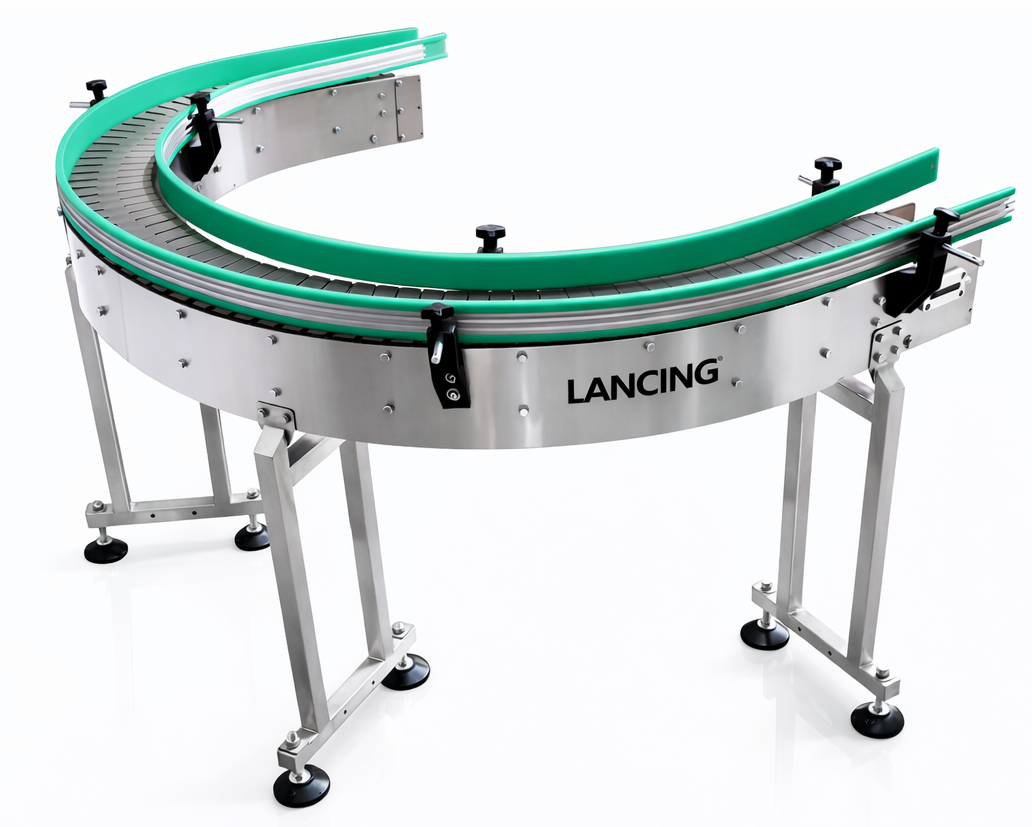
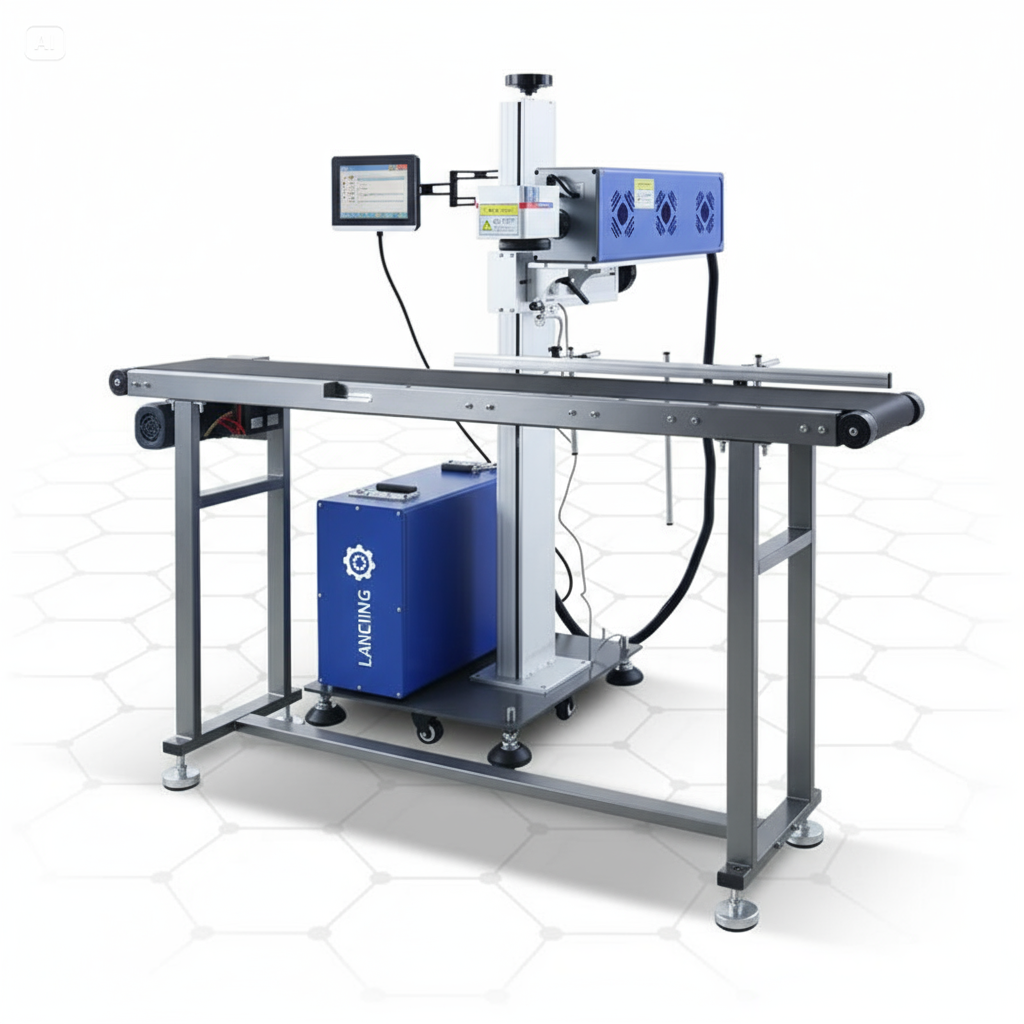
CONVEYORSConveyors and accumulation systems including belt, slatted, curved, infeed, incline and rotary outfeed conveyors plus coding integration. (4 machines)
PACKINGSealing and packing equipment including case tapers, induction sealing, foil sealing, band sealers, skin and blister packing, blow moulding and cartonizing. (12 machines)
The products hub now supports both buyers who know the machinery type they need and buyers who are still narrowing the process.
Category pages work best when they do more than list links. They should explain what the machinery group is for, how it fits into a line and which factors determine suitability. This update adds supporting content, guide links and industry pathways so broad product terms have stronger thematic support.
Start with the packaging step that matters most to output and quality. If dosing accuracy is the issue, begin with filling machinery. If presentation or tamper evidence is the issue, look at capping and labelling first. If handoff between machines is the issue, review conveyors, accumulation and combined line design.
These internal pathways reduce dead ends and help buyers compare machinery by application rather than by product code alone.
Review liquid, paste, powder, granule, weight and vacuum filling options, then compare output, nozzle count, product behaviour and container range.
Choose by closure style first: screw, trigger, pump, press, crimp, ROPP or vacuum. Then review cap feeding, torque control and format range.
Round, front and back, top and bottom, side, sleeve and print-and-apply systems each solve different pack formats and output targets.
Use the line integration guide and conveying categories to plan transfer, spacing, orientation and downstream pack finishing.
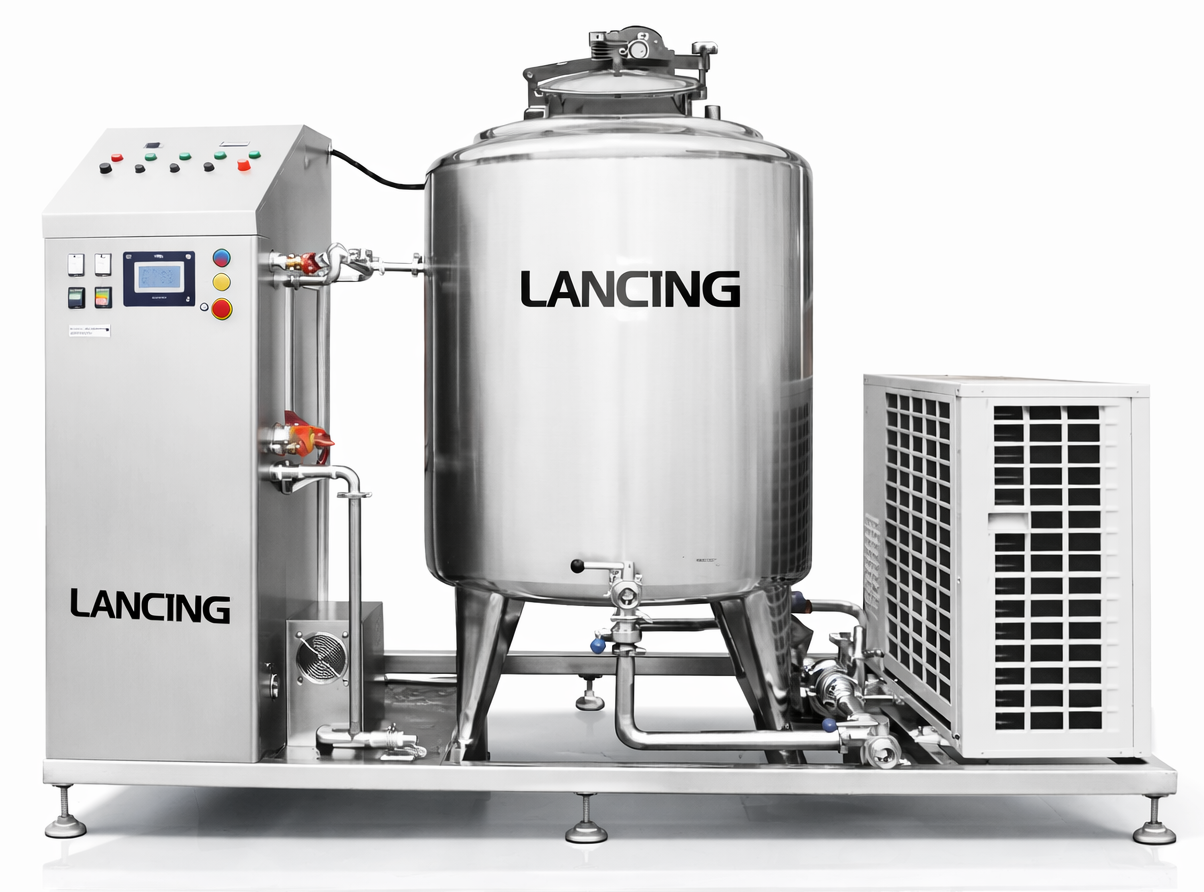
Alongside the main machine families, the site now includes stronger topical hubs for coding, process preparation, utilities and end-of-line systems.
Category pages are stronger when they also surface the guides and support pages buyers use before they enquire.
These application pages regroup the machinery library by product behaviour and pack type, which often gets buyers to the right product family faster than category browsing alone.
These solution pages are useful when the project is really about line balance, site limits, support or upgrades rather than one machine family.